Choosing the Right AC for Dallas Homes

- Your next HVAC replacement is likely the second most expensive check you will write after the mortgage itself. On a blindingly hot 104°F August afternoon in North Texas, a functioning cooling unit is not a luxury—it is pure survival equipment. If you’re choosing the right AC for Dallas homes, think about both comfort and long-term operating costs in the local climate.
- Every unit has a strict system lifecycle in extreme heat. According to local utility trends, brushing off the dreaded “hot room” syndrome or those shockingly high summer electric bills means you are essentially burning $50 bills whenever an aging compressor runs. A professional air conditioning installation dallas tx homeowners trust stops this daily financial drain immediately, whether you’re planning air conditioner installation dallas for a new air conditioner dallas or replacing an older system.
- Balancing upfront costs with long-term efficiency is key to finding a system that shrinks utility costs and keeps every upstairs bedroom perfectly comfortable—especially when planning ac replacement dallas or ac installation dallas.
Summary
Right-sizing with a Manual J load calculation is the foundation for Dallas comfort and cost control, preventing oversized systems from short-cycling and leaving indoor air humid. Aim for a SEER2 sweet spot around 16–18 and prioritize two-stage or variable-speed compressors for longer, lower-power cycles that enhance dehumidification, even temperatures, and efficiency. Maximize value through high-quality installation (tight ducts, matched indoor equipment), strong warranties, and stacked incentives like Oncor rebates and federal credits—often by replacing the furnace at the same time. Follow a simple plan: assess your current system, get three Manual J–based quotes, secure rebates, and maintain annually to protect lifespan and monthly savings.
Why ‘Bigger’ AC Units Lead to ‘Sticky’ Dallas Homes
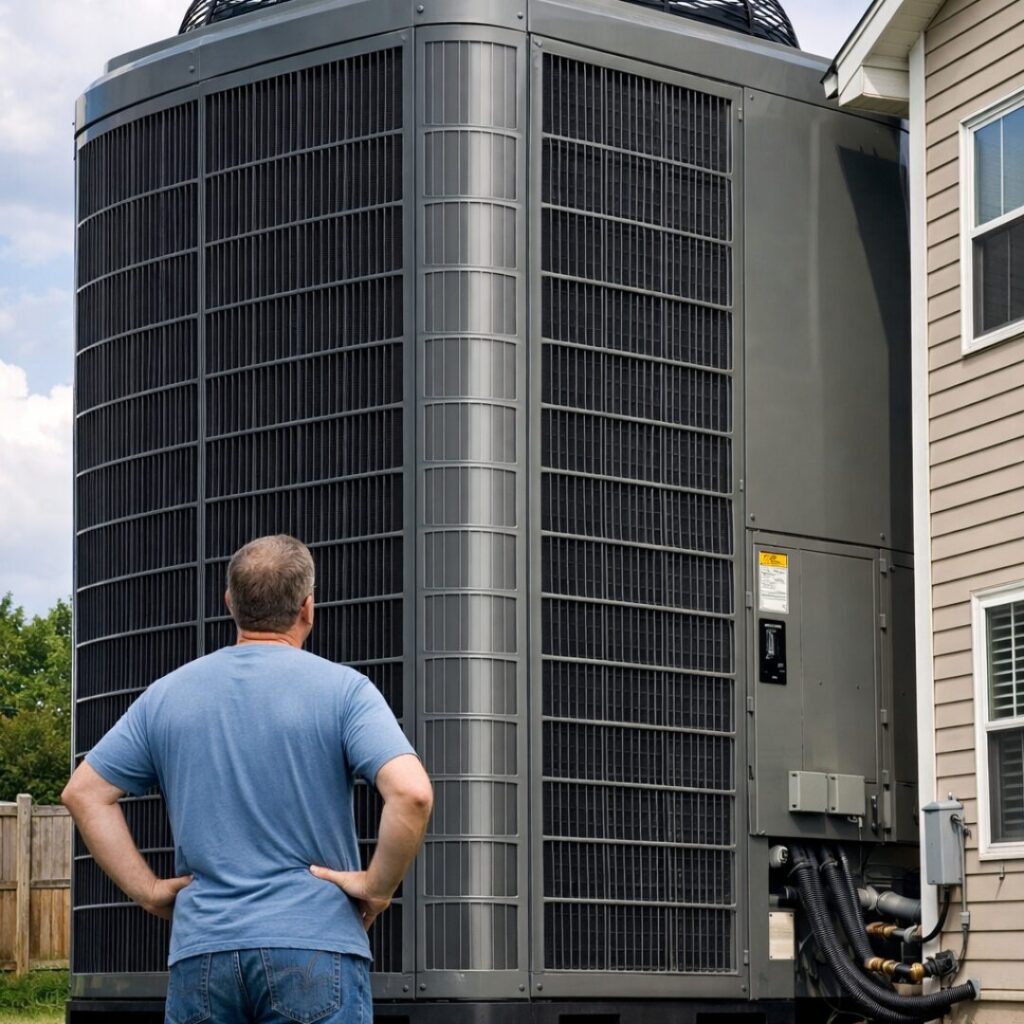
It’s August, your thermostat reads 72, but your living room feels like a damp basement. An oversized air conditioner is usually the culprit. Cooling capacity is measured in “tons”—much like a vehicle’s engine horsepower. When calculating AC tonnage for North Texas homes, bigger is rarely better.
Systems have two jobs: lowering the temperature and removing Texas-sized humidity. It takes 15 minutes of continuous running to actually wring moisture out of the atmosphere. Oversized units blast cold air and shut off in just five minutes, causing “short-cycling.” Rooms get cold quickly, but that clammy humidity stays trapped inside.
Spotting a mismatched system is straightforward. Watch for these red flags (which ironically can mimic signs of an undersized air conditioning unit struggling to keep up):
- Short run times: The compressor completely stops in under 10 minutes.
- Humid air: Your skin feels sticky despite the cold indoor temperatures.
- High energy spikes: Constant starting and stopping wastes expensive electricity.
Guessing capacity before ac unit installation dallas tx is a risky gamble. For dallas air conditioning installation, the only accurate sizing method is a Manual J load calculation for residential HVAC, which serves as a customized home energy blueprint. Once properly sized, efficiency becomes the primary focus.
The SEER2 Rating: Translating HVAC Jargon into ‘Miles Per Gallon’
Shopping for an AC replacement in Dallas involves one crucial metric: SEER2. Think of it like miles per gallon (MPG) for your car. A higher number uses less electricity to produce the exact same amount of cold air. The Department of Energy now requires new Texas installations to hit a minimum 14.3 SEER2 baseline, but investing in slightly higher ratings pays off quickly. For ac replacement dallas projects, this single number helps compare systems fairly.
Replacing a fading 15-year-old unit immediately slashes those painful summer Oncor bills. To calculate your payback period—the years it takes for monthly energy savings to completely offset your higher installation costs—look at this comparison for a typical 2,000-square-foot home upgrading its air conditioner and heater dallas:
- Old SEER 10 standard: ~$250/month during peak July heat.
- Modern SEER2 16 standard: ~$150/month during peak July heat.
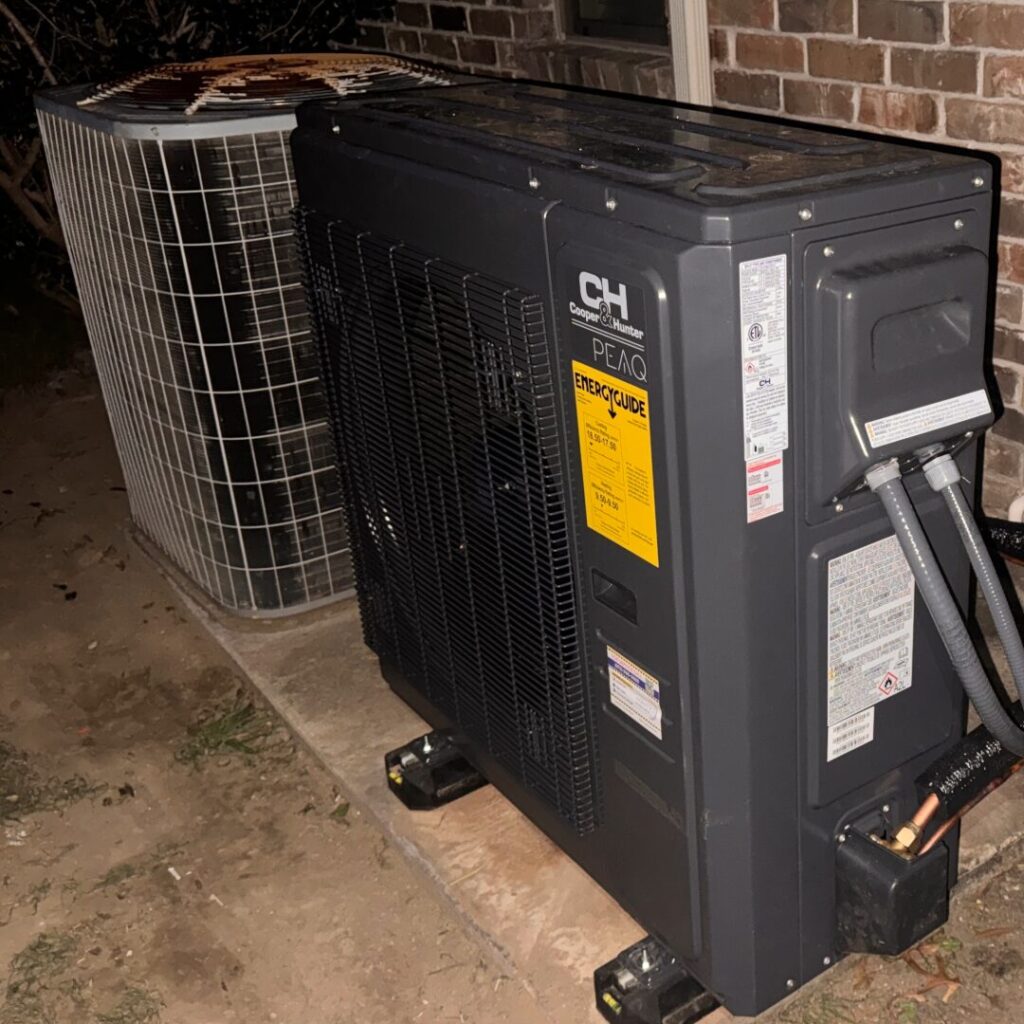
Finding the best SEER2 rating for the Texas climate means hitting a financial “sweet spot” where upfront costs align perfectly with lifetime savings, usually around 16 to 18 SEER2. While Energy Star certified systems for extreme heat lower your utility bills dramatically, how that cold air is actually delivered dictates your everyday indoor feel.
Variable Speed vs. Single-Stage: The ‘Dimmer Switch’ for Your Comfort
Most older AC units act exactly like a basic light switch: they are either blasting at full capacity or completely off. This aggressive, on-and-off cycle creates frustrating temperature swings throughout the house, a common complaint in heating and cooling dallas homes, leaving you shivering in the main hallway while still suffering in that notoriously hot upstairs bedroom.
Upgrading to modern technology finally gives your thermostat a much-needed dimmer switch. When looking at two-stage vs. single-stage cooling performance, a two-stage unit offers a “medium” setting for milder spring days, while a variable speed compressor adjusts continuously. It can ramp up to 100% during a scorching August afternoon or coast down to just 30% power as the evening cools.
Running longer at lower speeds drastically changes how your living space actually feels. The most noticeable variable speed compressor benefits in high humidity come from these extended, gentle cooling cycles that wring sticky moisture out of the indoor air, essentially delivering whole-home dehumidification system benefits. Because the air circulates continuously without harsh interruptions, your system also pulls air through the filters more often, capturing significantly more dust and allergens.
Coasting steadily at lower capacities uses drastically less electricity than constantly jump-starting a heavy motor at full throttle. When scheduling your next ac service dallas tx to upgrade your equipment, knowing how to offset these upfront costs is crucial.
Maximizing Your Investment: Oncor Rebates and Installation ‘Must-Haves’
While searching for the cheapest hvac replacement dallas tx might seem tempting, you will save significantly more long-term by stacking federal tax credits with Oncor residential energy efficiency rebates. To maximize these savings, consider a simultaneous furnace replacement dallas tx; swapping both units together slashes labor costs and guarantees your new AC has a perfectly matched indoor blower motor to communicate with. Coordinating heating installation dallas or heating installation dallas tx with your AC project can also streamline scheduling and system compatibility, and many providers offer air conditioning installation service dallas tx to help with permits and code compliance.
Connecting a premium air conditioner to leaky vents is like putting a sports car engine on bicycle tires. Before installation, upgrading old ductwork for high-efficiency units is critical because damaged, aging ducts will leak up to 30% of your expensive, newly cooled air directly into a 140-degree attic. This holds true whether you choose air conditioning installation dallas tx or a broader system upgrade.
Protecting this financial investment ultimately comes down to installation quality. When interviewing dallas hvac contractors and hvac dallas tx pros, insist on this non-negotiable checklist:
- Valid state licensing and comprehensive insurance
- A “Manual J” calculation to accurately size your home
- Direct assistance with filing your utility rebate paperwork
- Robust minimum 10-year warranties on equipment parts
Your 3-Step Action Plan for a Cooler Summer
Start by checking your current system’s age and SEER rating. Next, gather three quotes for ac installation dallas or air conditioning installation dallas tx that require a Manual J calculation to guarantee proper sizing, and always verify your local utility rebate eligibility before signing a contract.
Once installed, protecting that 15-year lifespan becomes your top priority. Follow an annual air conditioner maintenance checklist, schedule heating maintenance dallas tx, and plan an ac tune up dallas each spring. Partner with the best ac repair dallas for preventative seasonal tune-ups. Whether you need ac service dallas, air conditioning service dallas, dallas ac repair, ac repair dallas tx, ac repair dallas texas, dallas air conditioner repair, or air conditioning repair dallas tx—and for heating, furnace repair dallas tx—choose licensed experts who stand behind their work.
Pairing the right equipment with consistent care is the final step toward a drastically lower electric bill. You aren’t just upgrading a machine; you’re securing ten years of reliable peace of mind and keeping an extra $100 in your pocket every month.
Q&A
Question: Why do bigger AC units make Dallas homes feel humid or “sticky”?
Short answer: Oversized systems cool the air too quickly and then shut off, a pattern called short-cycling. Because it takes about 15 minutes of continuous run time to effectively remove moisture, these quick 5–10 minute cycles drop the temperature without wringing out Texas-sized humidity. The result is cool but clammy rooms. Common red flags include very short run times, a sticky feeling despite low thermostat settings, and energy spikes from frequent starts.
Question: How do I choose the right size AC for my home?
Short answer: Insist on a Manual J load calculation. It’s a customized, room-by-room blueprint that accounts for your home’s specifics (square footage, insulation, windows, orientation, and more) to determine the correct tonnage. Proper sizing prevents short-cycling, reduces humidity, eliminates “hot room” issues, and sets the stage for better comfort and lower bills. Guessing tonnage is a costly gamble—get the math right first, then optimize efficiency.
Question: What SEER2 rating should I target in Dallas, and what savings are realistic?
Short answer: Treat SEER2 like miles per gallon: higher means the same cooling for less electricity. Texas requires at least 14.3 SEER2, but the Dallas sweet spot for cost vs. savings is typically 16–18 SEER2. For a typical 2,000 sq. ft. home, upgrading from an old SEER 10 to SEER2 16 can drop peak July bills from about $250 to about $150. Calculate payback by comparing your monthly savings to the added upfront cost—many homeowners see the investment return quickly, especially when replacing aging equipment.
Question: Should I choose single-stage, two-stage, or variable-speed cooling?
Short answer: Single-stage is on/off at full blast, which causes temperature swings. Two-stage adds a “medium” setting for milder days. Variable-speed is the “dimmer switch,” modulating continuously from roughly 30% to 100% output. In Dallas humidity, running longer at lower speeds improves dehumidification, evens out temperatures (helping those stubborn upstairs rooms), filters more air for better indoor air quality, and cuts energy waste from constant hard starts.
Question: How can I maximize rebates and ensure a high-quality installation?
Short answer: Stack savings: combine federal tax credits with Oncor residential rebates. Consider replacing the furnace at the same time so the indoor blower is perfectly matched and you minimize labor costs. Fix the airflow path—tighten or upgrade ductwork first, since leaky, aging ducts can waste up to 30% of cooled air into a 140°F attic. When vetting contractors, require state licensing and insurance, a Manual J calculation, help filing rebate paperwork, and robust 10-year parts warranties. Follow the plan: check your current system’s age/SEER, get three Manual J–based quotes, confirm rebates before signing, then maintain annually (including a spring tune-up) to protect a ~15-year lifespan and monthly savings.
Upgrade Your Comfort with AirMatics
If you’re considering AC upgrade, we can help you choose the right units, ensure compatibility, and install them correctly.
Feel the difference by next weekend – book your install today.


CALL US TODAY FOR AC UPGRADE