If your summer electric bill keeps going up, dirty AC coils may be part of the problem. Your air conditioner depends on clean coils to move heat out of your home. When those coils are covered with dust, grass, cottonwood, pet hair, or outdoor debris, your system has to work harder to cool the same space.
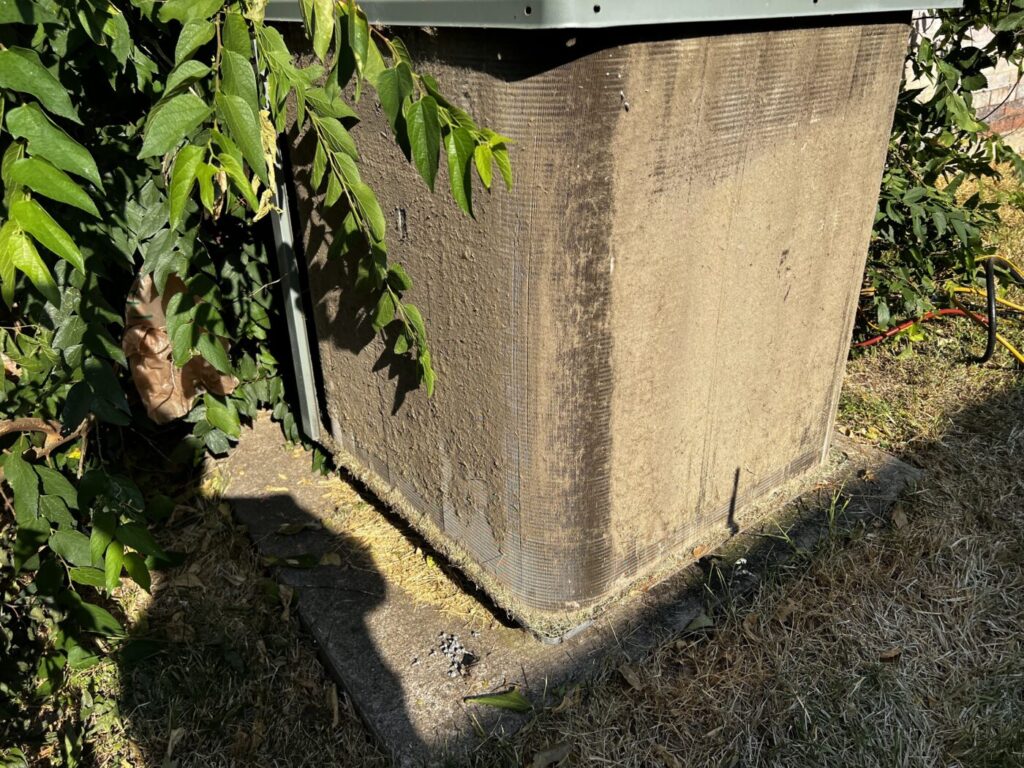
For homeowners in Plano, Frisco, Allen, North Dallas, and the Dallas–Fort Worth area, coil cleaning is an important part of seasonal HVAC maintenance. Clean coils help your air conditioner cool better, run more efficiently, and reduce stress on major components like the compressor and fan motor.
How Your AC Coils Work
Your air conditioner does not “create” cold air. Instead, it removes heat from inside your home and releases that heat outdoors.
There are two main coils involved in this process:
Indoor Evaporator Coil
- The evaporator coil is usually located inside the furnace or air handler. This coil absorbs heat and humidity from the indoor air.
Outdoor Condenser Coil
- The condenser coil is located inside the outdoor AC unit. Its job is to release the heat collected from inside your home.
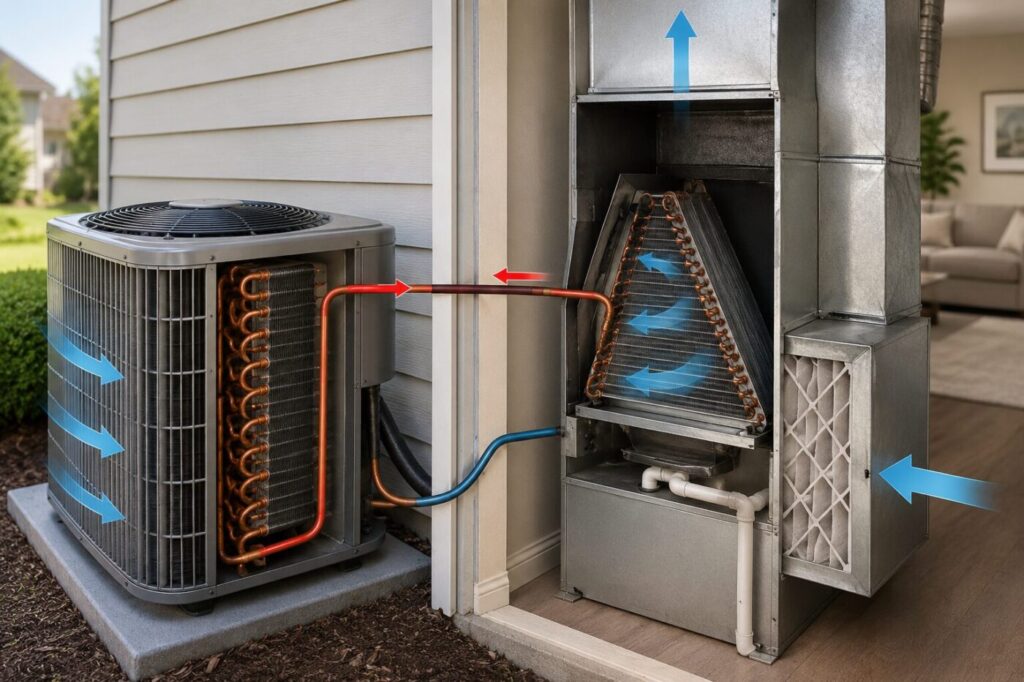
When either coil becomes dirty, the entire cooling process becomes harder on the system.
What Happens When AC Coils Get Dirty?
Dirty coils act like insulation. Instead of allowing heat to move easily through the metal coil surface, dust and debris create a barrier. This reduces heat transfer and forces your air conditioner to run longer.
Common problems caused by dirty AC coils include:
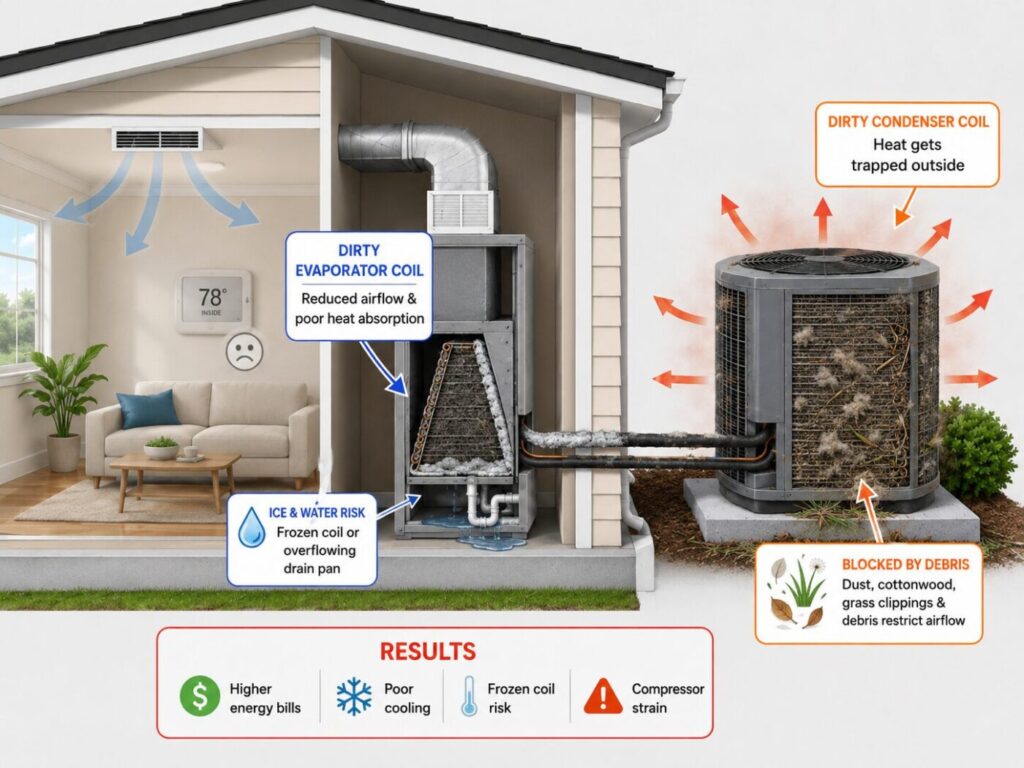
- Higher electric bills
- Longer cooling cycles
- Weak airflow
- Poor cooling performance
- Frozen evaporator coil
- Water leaks around the indoor unit
- Short cycling
- Compressor overheating
- Premature system breakdowns
In Texas heat, especially during long summer run times, a dirty condenser coil can put serious stress on your AC system.
Why Dirty Coils Can Make Your AC Freeze
It may sound strange, but a dirty indoor evaporator coil can cause your AC system to freeze even during hot weather.
When airflow is restricted or the coil is covered with debris, the evaporator coil may not absorb enough heat from the indoor air. As the coil temperature drops too low, moisture on the coil can freeze. Once ice starts building up, airflow becomes even worse, and the system may stop cooling properly.
Warning signs of a frozen or restricted evaporator coil include:
- Ice on the indoor coil, copper line, or outdoor suction line
- Water around the furnace or air handler
- Humid or clammy rooms
- AC is running constantly but not cooling
- System turning on and off too often
- Weak airflow from supply vents
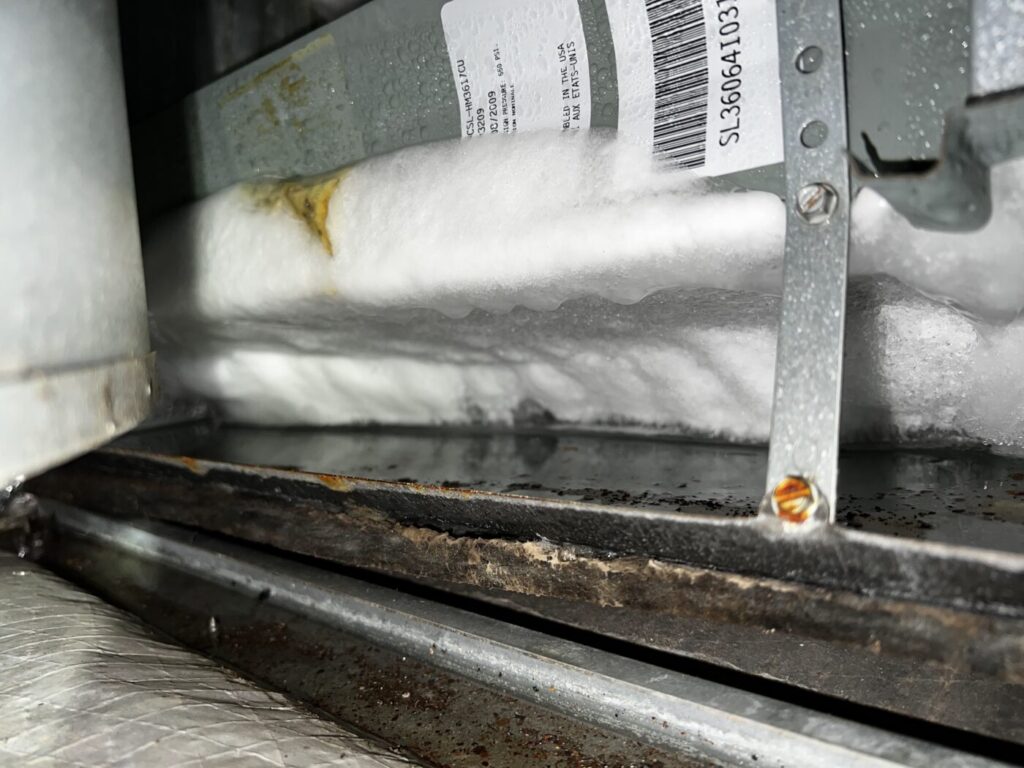
If your AC is freezing, do not keep running it for hours. Turn the system off and schedule a professional diagnosis. A frozen coil can be caused by a dirty coil, clogged filter, low refrigerant, blower issues, duct restrictions, or other airflow problems.
Can Homeowners Clean the Outdoor AC Coil?
In many cases, yes. Homeowners can safely perform basic outdoor condenser cleaning if the unit is easy to access and the cleaning is light. Here is a simple homeowner-safe process:
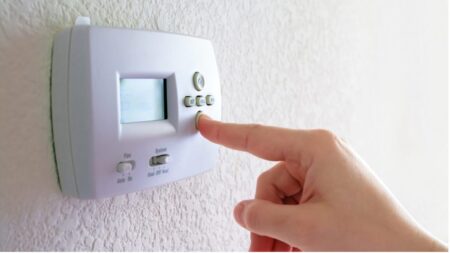
- Turn the system off at the thermostat.
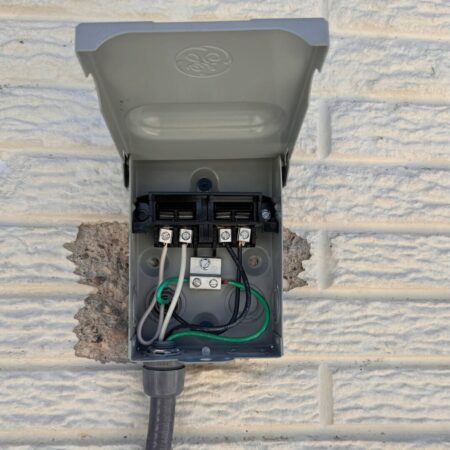
- Turn off the power at the outdoor disconnect.
- Remove loose leaves, grass, and debris around the unit. Gently rinse the condenser coil with a regular garden hose.
- Do not use a pressure washer. Keep bushes, plants, and storage items at least two feet away from the unit.
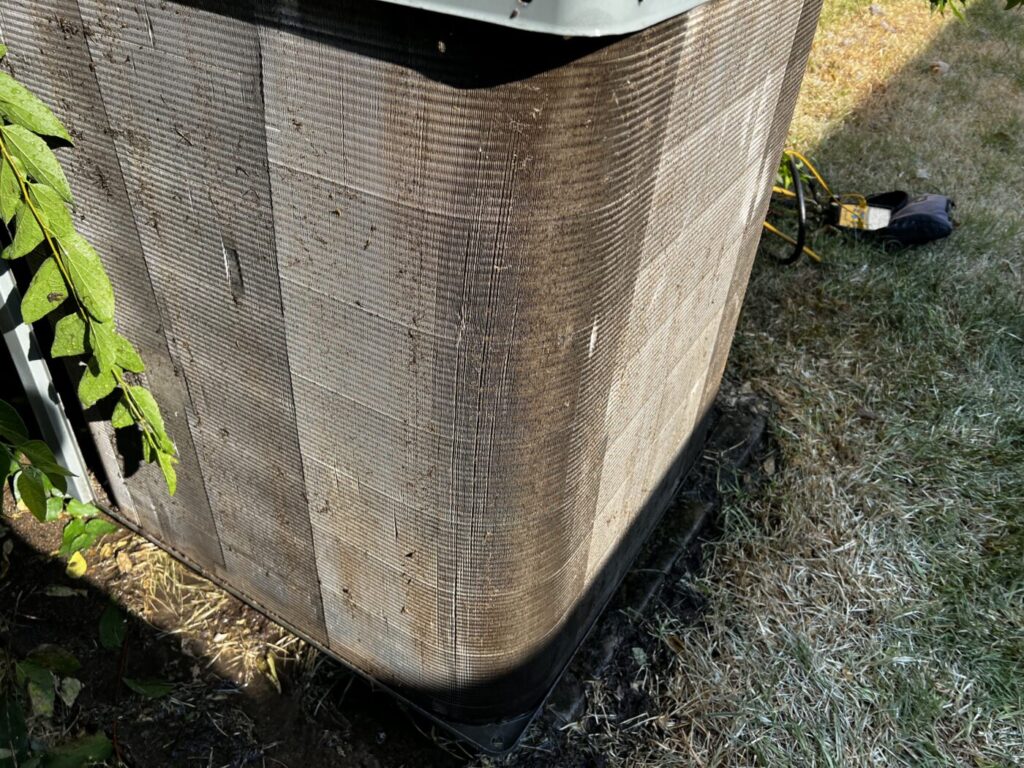
A pressure washer can flatten the delicate condenser fins and reduce airflow. If the coil is heavily impacted, greasy, packed with cottonwood, or blocked from the inside out, professional cleaning is recommended.
Should You Clean the Indoor Evaporator Coil Yourself?
Indoor evaporator coil cleaning is more complicated than outdoor condenser cleaning. The coil is often located inside a sealed cabinet, above a furnace, or inside an attic air handler. Access may require removing panels, cutting tape, opening the plenum, or working around wiring, drain lines, and refrigerant components.
Some homeowners use a no-rinse evaporator coil cleaner when the coil is easily accessible. However, indoor coil cleaning should be handled carefully because the coil fins are delicate, and the drain system must be able to remove the cleaning residue and condensate properly.
You should call a professional if:
- You should call a professional if:
- The evaporator coil cabinet is sealed or difficult to access
- The coil is heavily clogged or matted with debris
- The system is freezing
- Water is leaking from the indoor unit
- You notice mold-like buildup or strong odors
- Airflow is weak throughout the home
- You are not comfortable opening the equipment
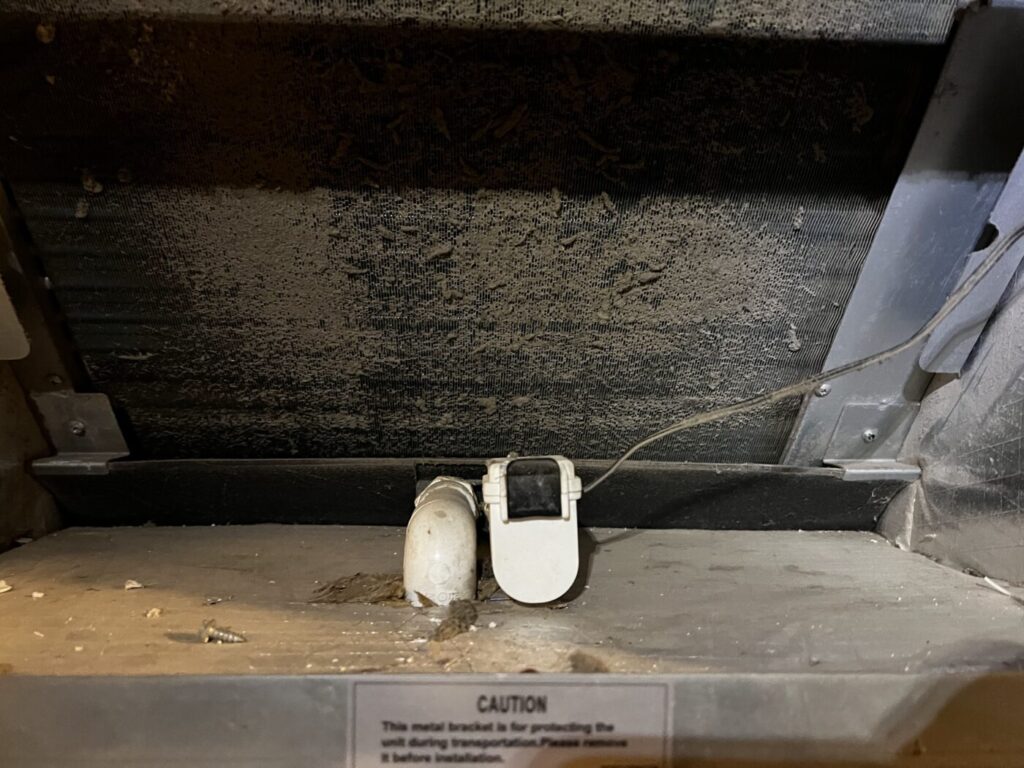
A professional technician can inspect the coil, check static pressure, verify refrigerant readings, test the drain line, and confirm that the system is operating safely after cleaning.
How Often Should AC Coils Be Cleaned?
For most homes in the Dallas–Fort Worth area, the outdoor condenser coil should be inspected several times during cooling season and cleaned as needed. Homes with pets, heavy tree coverage, landscaping debris, cottonwood, or construction dust may need cleaning more often.
A good maintenance schedule is:
- Check outdoor unit clearance monthly
- Replace or check air filters every 1–3 months
- Rinse light outdoor debris as needed
- Schedule professional HVAC maintenance once or twice per year
- Inspect the indoor evaporator coil during seasonal service
Regular maintenance helps catch small problems before they turn into expensive repairs.
Clean Coils Help Protect Your HVAC System
Keeping your AC coils clean is not just about lowering your electric bill. It also helps protect the most expensive parts of your HVAC system.
Clean coils can help:
- Improve cooling performance
- Improve cooling performance
- Reduce compressor strain
- Improve airflow
- Lower operating pressure and temperature stress
- Reduce the risk of frozen coils
- Extend equipment life
- Improve indoor comfort
If your AC is running longer than usual, not cooling evenly, freezing up, or causing high utility bills, dirty coils may be part of the issue.
Professional AC Coil Cleaning in Plano, Frisco, Allen & North Dallas
Airmatics provides professional AC maintenance, condenser coil cleaning, evaporator coil inspection, and HVAC repair services in Plano, Frisco, Allen, North Dallas, and surrounding DFW communities.
Our technicians can inspect your system, clean accessible coils, check airflow, test refrigerant performance, inspect drain safety, and verify that your AC is cooling properly before the Texas heat gets worse.
Need AC maintenance or coil cleaning?
Schedule service with Airmatics today and keep your system running efficiently all season long.
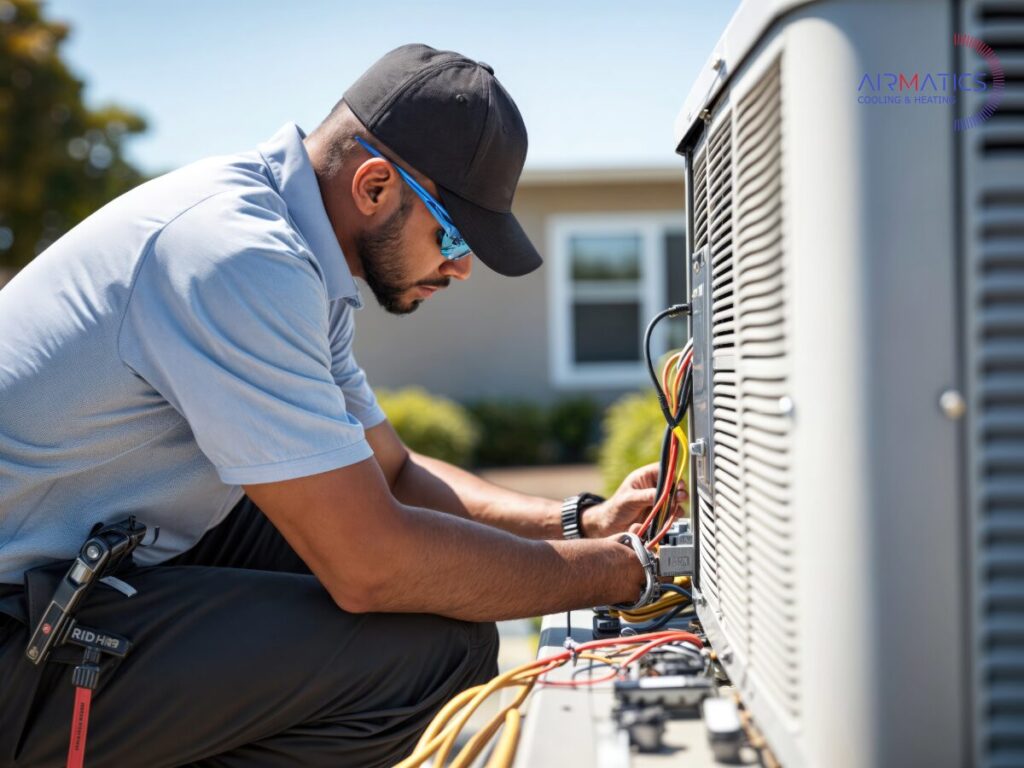
Upgrade Your Comfort with AirMatics
Feel the difference by next weekend – book service today.


CALL US TODAY FOR COIL CLEANING
Q&A
Short answer: Dust and grime act like an insulating blanket on the coils, blocking heat transfer and airflow. Even 1/16 inch of buildup forces your system to run longer to reach the thermostat setpoint, spiking electricity use, straining the compressor, and dragging down SEER performance—what the article calls a hidden “dirt tax.”
Short answer: Look for ice on the indoor unit, unexpected water puddles, clammy or humid rooms while the AC runs, rapid on-off short-cycling, or a system that runs continuously but can’t cool the house. These indicate dangerous pressure and airflow issues often tied to dirty coils.
Short answer: Power off at the thermostat and exterior disconnect, brush away leaves and debris, gently rinse coils with a low‑pressure garden hose, straighten bent fins with careful “fin grooming,” and trim vegetation to maintain a two‑foot clearance around the unit. Never use a power washer—it crushes the delicate fins.
Short answer: If you can safely remove the access panel, power down the system and apply a foaming, no‑rinse indoor coil cleaner; normal condensation will wash residue down the drain. If the compartment is sealed/taped, access is unsafe, or debris is thick and matted, hire a professional to avoid damage.
Short answer: Clear outdoor debris monthly, replace indoor filters quarterly, and schedule a professional inspection annually. Add seasonal reminders for coil cleaning during high-dust or pollen periods to maintain performance, prevent breakdowns, and protect your wallet.