In North Texas, winter doesn’t gently roll in — it shows up uninvited. One week it’s mild, the next we get that sharp north wind (sometimes with a little ice drama).
Now imagine it’s a freezing night and your home’s circuit breaker trips, leaving you without heat right when you need it most. That kind of surprise is usually a sign that a small electrical component is starting to wear out. One of the most overlooked culprits in electric heating systems is the heat sequencer — a part that helps your heater bring on heat in stages instead of all at once.
When a sequencer begins to fail, it can lead to issues like weak heat, odd cycling, or breakers tripping. Understanding the signs early can help you avoid an uncomfortable “no-heat” night — and prevent bigger damage to your system.
What is the heat sequencer?
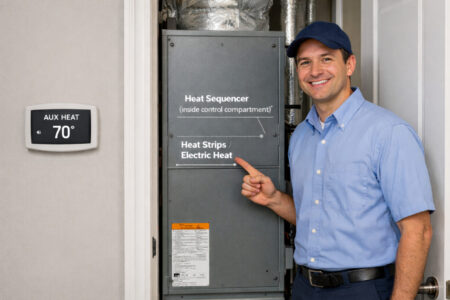
An HVAC system heats, cools, and ventilates your home through a network of coils, fans, and controls. The system uses sequencers to manage electricity flow and prevent overload by turning on heating coils one at a time in a specific sequence to ensure safety.
A bad sequencer can cause overheating and trip the circuit breaker. Sequencers allow staged operation of components, which helps protect circuits from overload.
Understanding how HVAC sequencers work is important for homeowners to identify problems and schedule repairs. Understanding the features and functions of each type of sequencer is important for homeowners.
Sequencers play a big role in the safe and efficient operation of electric furnaces and heat pumps. The sequencer is a critical component in the electrical operation and safety of the system.
Regular maintenance of a heating system can prevent sequencer failure and reduce the risk of damage to other components.
Where You’ll Usually Find a Heat Sequencer
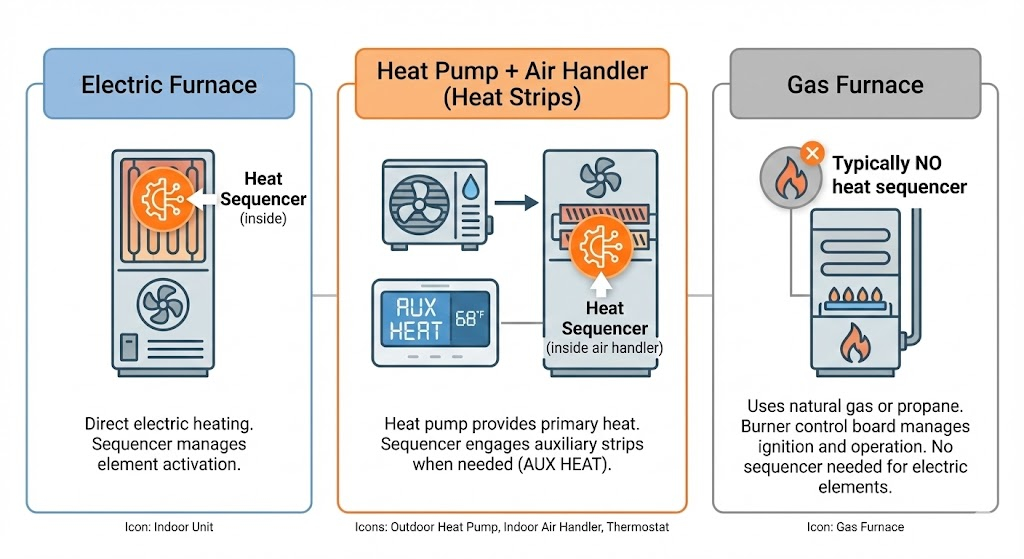
A heat sequencer is used mainly in:
- Electric furnaces
- Air handlers / heat pumps with electric heat strips (often shown on the thermostat as AUX Heat or Emergency Heat)
If you have a gas furnace, you typically won’t have a heat sequencer — gas systems use different controls to manage ignition and heating operation.
Components and Types of Sequencers
- Sequencers are made of tough metal and are designed to withstand shocks and vibrations. The sturdy construction results in a heavier build, necessary for durability. They are composed of different parts assembled as a set, with each part working together to manage the electricity flow within the HVAC system.
- Different types of sequencers are used in various HVAC applications, including electric furnaces and heat pumps.
- Sequencers can be found in motors, electric pumps, and other components of HVAC systems.
- The shape and size of a sequencer can vary depending on its purpose and mounting position.
- Sequencers comprise various components that collaboratively regulate the flow of electricity. By dividing the operation of heating elements into distinct segments, sequencers enhance both efficiency and safety.
What Causes Heat Sequencer Failure
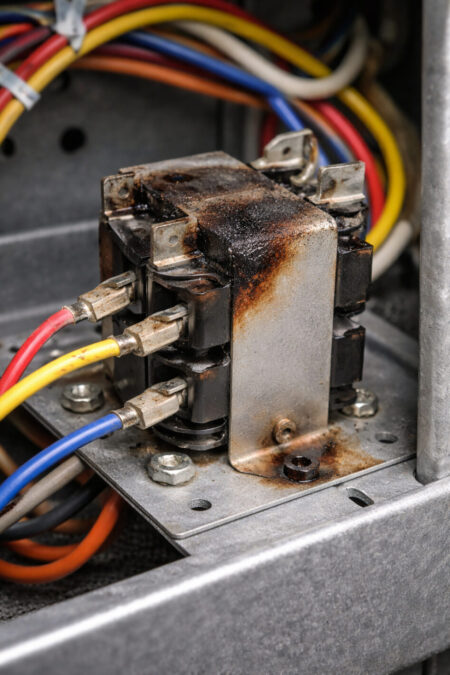
Heat sequencer failure in HVAC systems can be caused by several common issues that homeowners should be aware of.
Overheating is one of the most common problems when the sequencer fails to control the flow of electricity to the heating elements in electric furnaces. This can cause the heating elements to draw too much power, which can trip the circuit breaker or even overheat and pose a fire risk. Homeowners might first notice an acrid burning smell, similar to overheated insulation, which can serve as an early warning sign.
The sound of rapid cycling can also hint at an impending failure, as the system struggles to maintain proper function.
Electrical surges and power fluctuations can also damage the sequencer and disrupt its ability to control the system’s heat output.
Physical factors such as corrosion, vibrations, and shocks can weaken the sequencer over time, especially in areas where the HVAC system is used frequently or in harsh conditions. These issues can cause the sequencer to malfunction and show symptoms like uneven heating, tripping circuit breakers, or blowing fuses. Homeowners may notice their furnace is not heating properly or the system is cycling on and off unexpectedly.
Regular inspection and maintenance of the HVAC sequencer is important to identify early signs of trouble. If you notice any symptoms such as uneven heating, frequent tripping, or unusual noises, it’s best to contact a professional for repairs before the problem escalates. Being proactive can prevent major system failures and keep your home comfortable and safe.
Symptoms of a Bad Sequencer
- A bad sequencer can cause symptoms such as overheating, tripping of the circuit breaker, and reduced system performance. A malfunctioning sequencer can cause the heating element to draw excessive current, which can trip the circuit breaker.
- Homeowners may notice that their furnace or heat pump is not producing enough heat or is blowing cold air.
- A bad sequencer can also cause electricity to flow unevenly, which can damage other components.
- Sequencer failure can be caused by a range of factors, including wear and tear, corrosion, and manufacturing defects. A running sequencer helps save energy and maintain efficient system operation.
- Regular maintenance and inspection can help identify potential issues before they become major problems.
Homeowner Checklist (No panels, no tools)
Here’s a simple checklist you can follow to check your HVAC system safely:
- Listen for unusual sounds: rapid clicking, buzzing, or repeated starts/stops.
- Look only (don’t touch): visible exterior damage on the cabinet, loose/burned-looking insulation near vents/returns, or water pooling around the indoor unit.
- Check thermostat: set to HEAT, fan to AUTO, raise temp 2–3°F, and wait ~5 minutes. (If you see AUX/EM, make a note.)
- Check airflow basics: replace a dirty filter and make sure vents/returns aren’t blocked.
- Check your breaker once: if it trips again after a reset, turn the system OFF and call a pro.
STOP & CALL NOW if you notice: burning smell, smoke, sparking, a loud electrical buzz, or repeated breaker trips.
Don’t Do This (Safety)
- Don’t remove panels or inspect wiring/components
- Don’t touch anything inside the unit
- Don’t keep resetting a breaker that trips again
Following these steps builds good habits—without putting your safety at risk.
Heat Pump Systems and Sequencer Issues
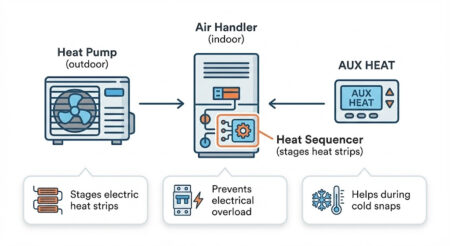
- Heat pumps use sequencers to control the flow of electricity and prevent overload. A bad sequencer can cause heat pump systems to fail, resulting to poor performance and higher energy bills.
- Sequencers control the heating elements in heat pumps to ensure they work safely and efficiently.
- Sequencers control the sequence in which electricity flows through heating elements, providing power to each part of the system as needed.
- Heat pump systems are more complex than electric furnaces, requiring specialized sequencers and components.
- Regular maintenance and repair can prevent sequencer failure and ensure heat pump systems work at their best.
Safety Precautions When Handling Sequencers
Always safety first when working with HVAC sequencers and related components. Before doing any repairs or replacements, turn off the power to the system to prevent electric shocks and other injuries. Wear protective gear like gloves and safety glasses to prevent sharp edges and accidental contact with electrical parts.
Follow the manufacturer’s instructions when installing or mounting a new sequencer to ensure it is securely attached and can withstand shocks and vibrations that occur during normal operation. Electric pumps and motors in the system can be hazardous if not handled properly, so take time to identify the different parts and understand their functions before starting any work.
If unsure about any part of the repair or installation process, always contact a professional HVAC technician. They have the expertise to handle the sequencer and other system components safely, preventing damage and ensuring the system works efficiently. By being mindful of these safety precautions, homeowners can prevent accidents and extend the life of their HVAC system.
Troubleshooting and Maintenance Tips
- Homeowners can use various troubleshooting techniques to identify issues with their HVAC sequencer. Regular inspection is key to identifying wear and tear early, especially on key components like the sequencer. To make upkeep easier, tasks can be scheduled based on certain timeframes:
- Monthly: Check the HVAC system’s exterior for any visible damage, and ensure no obstructions are blocking airflow.
- Seasonal: Adjust the thermostat settings for the upcoming season, and clean or replace air filters. Inspect the sequencer for any signs of corrosion, wear, or burn marks, and listen for unusual noises during operation.
- Annual: Schedule a professional HVAC technician to conduct a comprehensive examination of your HVAC system, including the sequencer, to ensure that all components function properly.
- Homeowners can also use logs and records to track maintenance and repairs, to identify issues before they become big problems. Providing clear answers to common homeowner questions about sequencer maintenance can build trust and ensure proper care.
This structured approach to maintenance helps to prevent sequencer failure and reduces the risk of damage to other components.
Replacing a Bad HVAC Sequencer
Replacing a bad HVAC sequencer is a complex process that requires specialized tools and expertise. Replacing one part, like the sequencer, can have a big impact on the overall performance of the HVAC system, as the sequencer allows heating and cooling devices to work in segments, preventing overheating and improving efficiency.
Homeowners should contact a licensed HVAC technician to inspect and replace the bad sequencer.
The replacement process involves turning off the power to the system, removing the bad sequencer, and installing a new one.
Sequencer replacement can restore system performance, lower energy bills, and prevent future repairs.
Regular maintenance and inspection can prevent sequencer failure and ensure your HVAC systems work at their best.