The compressor in ac unit is not working
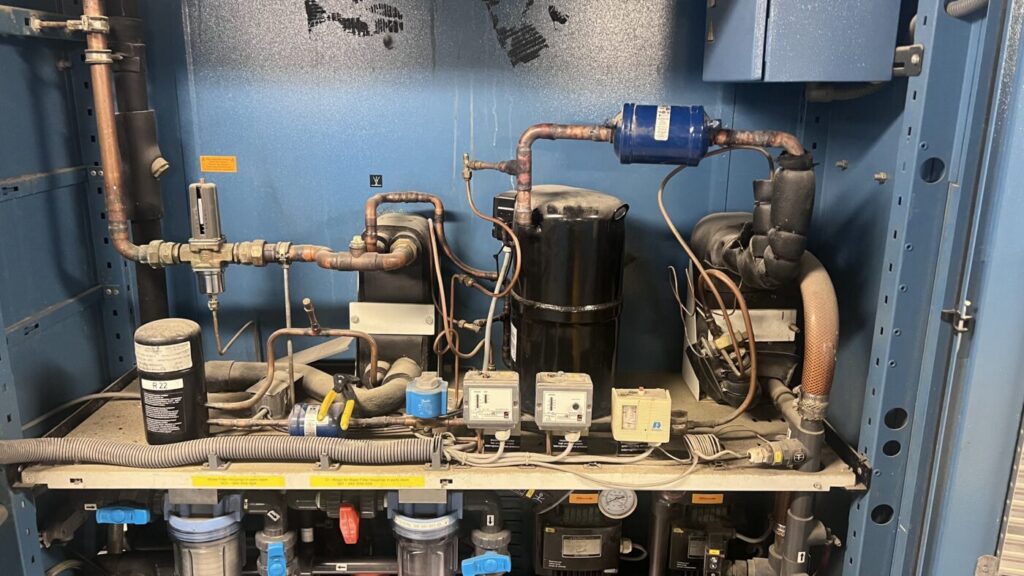
A compressor in an AC unit is vital for cooling your home. It circulates refrigerant and maintains pressure. This air conditioning compressor is one of the essential air conditioner parts in the refrigeration cycle.
When the compressor fails, your cooling system struggles. You might notice strange noises or reduced efficiency. Because the cooling system compressor is working harder, these HVAC compressor issues can escalate if ignored.
Understanding the compressor’s role helps in diagnosing issues. It also aids in deciding whether to repair or replace it. Knowing the AC compressor function clarifies symptoms and next steps.
Regular maintenance can prevent many problems. Simple tasks like cleaning coils and checking refrigerant levels are essential. Building good AC unit maintenance habits reduces risk and cost.
This guide will explore common causes of compressor failure. We’ll also cover troubleshooting steps and when to call a professional. Along the way, you’ll see practical compressor troubleshooting tips. If the compressor in ac unit begins to struggle, early action prevents larger failures.
What Is a Compressor in an AC Unit?
A compressor in an AC unit is crucial for cooling your home efficiently. It compresses the refrigerant, raising its temperature and pressure. This AC compressor function powers the entire refrigeration cycle.
If you’re wondering what is a compressor in ac unit and what does the compressor do in an ac unit, it’s the pump that drives heat transfer by increasing refrigerant pressure so heat can be released outdoors. For those asking where is the compressor in an ac unit, it typically sits in the outdoor condenser cabinet next to the fan and coils.
This process circulates the refrigerant through the coils, facilitating heat exchange. Consequently, the compressor ensures that your AC cools the air effectively.
Key functions of the AC compressor include:
- Compressing refrigerant gas
- Maintaining system pressure
- Supporting heat exchange
Understanding these functions reveals why a faulty compressor can disrupt cooling. Regular checks on the compressor can prevent system inefficiency and high energy bills.

Signs Your Air Conditioning Compressor Is Not Working
Identifying a failing compressor early can save you from bigger issues. Strange noises are a common indicator. Rattling or whining noises often signify trouble. If you suspect a “compressor in ac unit not working” situation, these early warnings matter.
A drop in cooling efficiency can also point to a problem. If your home isn’t cooling well, the compressor might be at fault. Increased energy bills often accompany this symptom.
Watch for frequent cycling of the unit. If your AC turns on and off more than usual, the compressor could be struggling. This can wear down your system over time.
Common symptoms of a faulty compressor:
- Unusual noises
- Decreased cooling ability
- Frequent on-and-off cycling
Recognizing these signs early can help avoid costly repairs. Always address these issues promptly for optimal system performance.
Common Causes of Compressor Failure
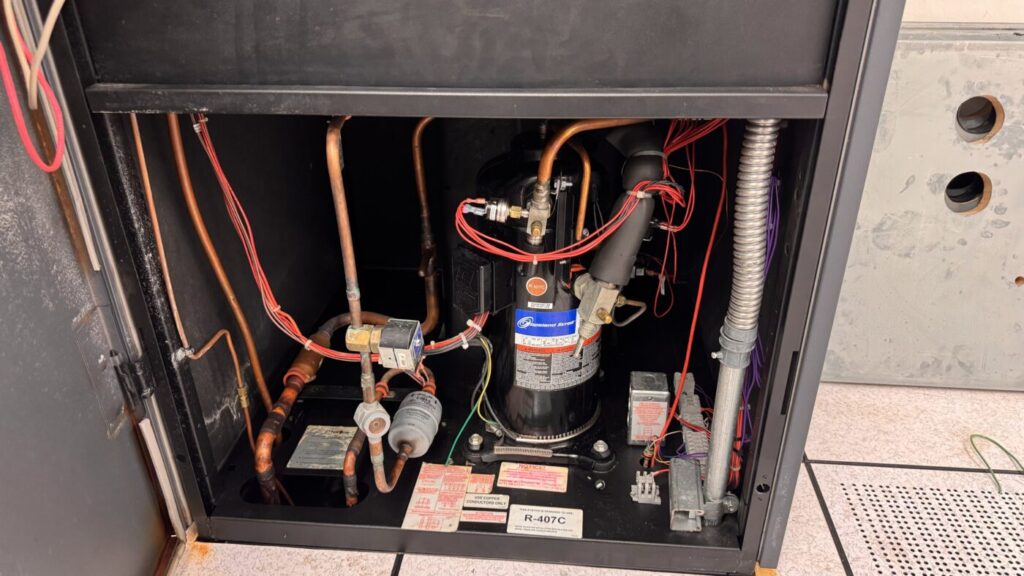
Understanding why compressors fail helps in preventing future breakdowns. Electrical issues are a major culprit. Faulty wiring or poor connections can lead to compressor burnout.
Refrigerant leaks also threaten compressor health. Low refrigerant levels force the compressor to work harder, causing it to overheat. Regular maintenance can help detect leaks early.
Dirt and debris are often overlooked but can clog components. This buildup hampers airflow, leading to overheating and potential compressor failure. Cleaning coils and filters regularly is vital.
Excessive heat adds stress to the compressor. Lack of ventilation can trap heat, diminishing efficiency and lifespan. Ensure your outdoor unit has sufficient airflow.
To summarize, common causes include:
- Electrical issues
- Refrigerant leaks
- Dirt buildup
- Excessive heat
Each of these issues requires prompt attention to prevent significant damage. Other interconnected air conditioner parts, such as fans and capacitors, can contribute to problems if they fail or are incorrectly sized.
Compressor Troubleshooting: Step-by-Step Guide
Troubleshooting a compressor in an AC unit can seem daunting. However, by following a structured approach, you can pinpoint issues more effectively. The first step is to ensure the AC unit has power. Check the main electrical panel for tripped breakers.
Next, inspect the thermostat settings. Confirm that they are set to the desired cooling temperature. Incorrect settings can mimic compressor issues, leading to confusion.
Examine the outdoor unit for visible signs of damage. Look for worn wires or coolant leaks. These might indicate serious issues requiring professional attention.
Consider listening for unusual sounds. A humming or clicking noise can signal electrical issues within the compressor. Silence may also hint at a malfunctioning unit.
Using a multimeter, test for electrical continuity. This can verify proper electrical flow and highlight potential faults. Such tests should be performed with care.
In summary, essential steps include:
- Checking power supply
- Verifying thermostat settings
- Inspecting for visible damage
- Listening for unusual noises
- Testing electrical continuity
These compressor troubleshooting steps can isolate problems effectively and guide subsequent actions.
Should You Repair or Replace the Compressor?
Deciding whether to repair or replace the compressor in an AC unit depends on several factors. Age is a significant consideration. If the unit is over ten years old, replacement might be more cost-effective in the long run.
The cost of repairs is another factor. If repair expenses approach the price of a new unit, replacement becomes more logical. It’s also essential to weigh potential future repair costs.
To aid in decision-making, consider:
- The unit’s age
- Estimated repair versus replacement costs
- Frequency of past repairs
When in doubt, consulting with a professional HVAC technician can provide clarity. They can offer insights based on experience and technical knowledge, ensuring the best course of action is taken. If you’re considering replacing compressor in ac unit, compare warranty status, refrigerant type, and system efficiency. For extensive failures, replacing a compressor in an AC unit may restore reliability more effectively than repeated repairs.
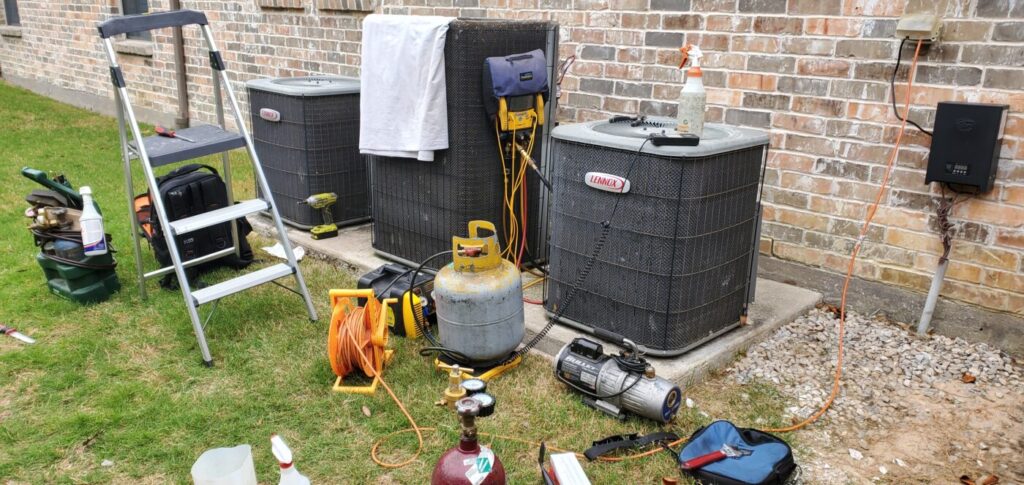
Cost to Replace Compressor in AC Unit
The cost to replace compressor in ac unit typically ranges from $1500 to $4,800. This range depends on the model, capacity, and labor costs in your area.
The type of compressor can also influence expenses. Standard models are generally cheaper than advanced, energy-efficient models. Additionally, consider any additional repairs needed, which can add to overall costs.
To budget accurately, you might consider:
- Cost of the new compressor
- Labor fees
- Any additional part replacements
Getting multiple quotes from HVAC professionals can help you find the best price. This step ensures a fair deal and reliable service, especially if you’re replacing a compressor in an AC unit under an expired warranty.
AC Efficiency Tips to Prevent Compressor Issues
Enhancing AC efficiency extends the lifespan of the compressor. Simple practices can reduce the chance of failure. Regular maintenance is vital for optimal performance. Consider these AC efficiency tips as part of your routine.
Consider the following tips to boost efficiency:
- Use programmable thermostats
- Replace air filters regularly
- Ensure proper insulation around the home
Maintaining correct refrigerant levels is crucial. This action prevents strain on the compressor. Proper care reduces energy consumption and minimizes repair needs.
When to Call a Professional HVAC Technician
Some issues require expert knowledge. If the compressor problem persists after basic troubleshooting, call a professional.
Handling refrigerants and electrical components can be dangerous. An HVAC technician ensures safety and accurate diagnostics. Their expertise saves time and effort, ensuring your AC functions efficiently.
Conclusion
A non-working compressor in an AC unit can be frustrating. Identifying the problem early helps you decide whether repair or replacement is needed.
Keeping up with regular maintenance and understanding your AC system ensures efficiency and extends its lifespan. When in doubt, always seek professional advice. This can save time and improve home comfort while avoiding costly mistakes.
Serving Plano & Surrounding Areas
From Plano to Frisco, McKinney, Allen, and beyond, AirMatics is your local go-to for expert HVAC troubleshooting, maintenance, and repairs.
Need a Repair or Inspection?
Call AirMatics today or schedule online for fast, friendly service from certified HVAC professionals who know Texas systems inside and out.