Introduction to Relays in HVAC
Relays may be small, but they play a huge role in your HVAC system’s operation. Whether you’re heating your home during a chilly Frisco morning or cooling things down on a hot summer day in Plano, relays are quietly at work behind the scenes.
Understanding the basic terms of relays makes it easier to grasp how they work.
These components function like electrical switches, allowing low-voltage signals (such as those from your thermostat) to safely and efficiently control high-voltage HVAC equipment. Relays use an electromagnetic method of operation to achieve this. Relays control the flow of electricity within the HVAC system, enabling or interrupting power to components as needed. Understanding how relays work helps you troubleshoot issues, recognize potential warning signs, and appreciate how integral they are to your comfort.
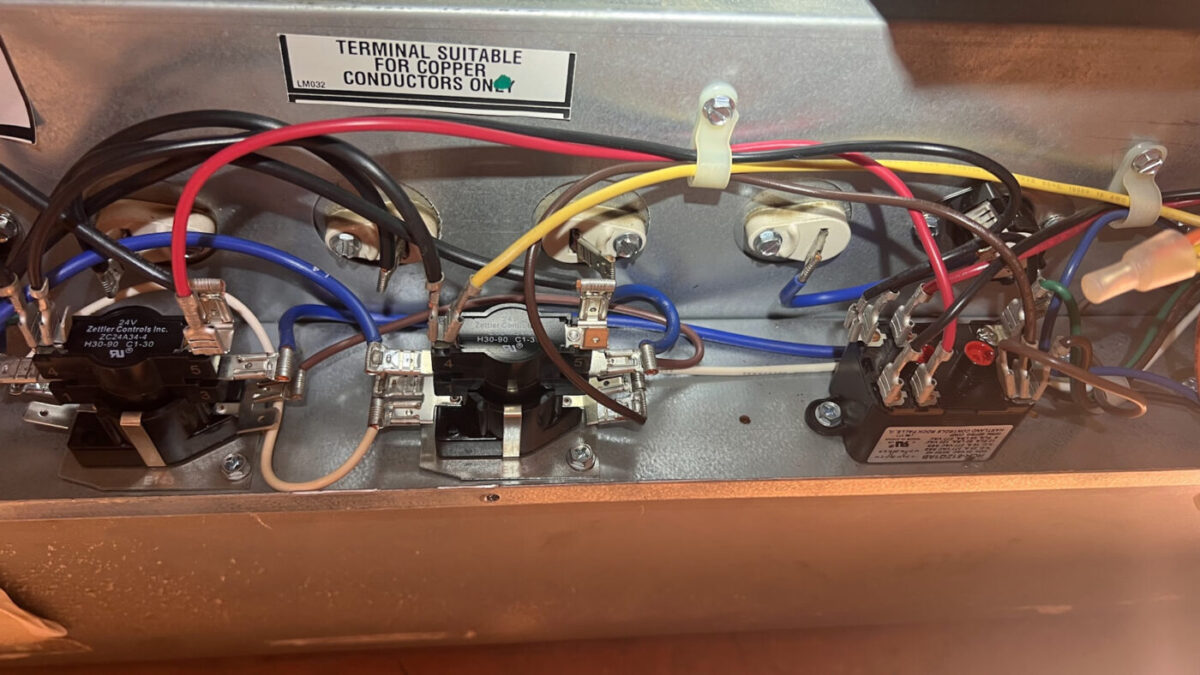
What Does a Relay Do in an HVAC System?
A relay acts as an automatic on/off gate between your thermostat and major components in your HVAC system, including:
- Blower motor
- Compressor
- Furnace heating elements
- Outdoor fan
Think of the relay as the gatekeeper that decides who gets power and when.
When your thermostat sends a signal (like a request for cooling), a relay receives the low-voltage command and flips a switch to send high-voltage power to the correct component. A 24V thermostat circuit sends electricity to the relay coil, which changes the 24V into magnetism that operates HVAC equipment. The relay completes an electrical circuit, allowing power to flow through the circuit and energize the connected component.
Relays help ensure:
- Efficient operation by controlling when each part turns on/off.
- System protection by isolating low-voltage circuits from high-voltage lines.
- Proper timing to prevent components from running unnecessarily.
- Safe connection and control by keeping low-voltage and high-voltage circuits properly connected, and allowing the electrical circuit to be managed safely.
- Versatility as a relay can be used in both 24V and line-voltage circuits to control HVAC equipment.

Common Types of HVAC Relays
Here are some of the most common relays you’ll find in home HVAC systems. Relays have contacts that can be in an open or closed position, which determines whether the circuit is complete. Each relay switch is designated as either normally open (N.O.) or normally closed (N.C.) before electricity is applied. Normally open (N.O.) means the circuit is incomplete when no power is applied, while normally closed (N.C.) means the circuit is complete in the absence of power. Understanding these terms can help first-time readers grasp the importance of each relay’s status in HVAC operations.
1. Fan Relay
Controls when the blower motor runs. If this relay sticks or fails, a common symptom is that the blower stays on even when it shouldn’t, causing your fan to run constantly or not turn on at all. A stuck blower motor will cause it to continuously run, blowing cold air if the furnace is not operational.
2. Compressor Relay
Manages power to the compressor in your AC or heat pump. A faulty compressor relay could cause the unit not to cool properly. When running an AC system, relays allow electricity to flow to the blower motor and compressor. If the relay is stuck or failing, it can prevent the air conditioning from operating properly, resulting in reduced cooling performance. This inefficiency may even increase your energy bill by up to 20%, turning a simple malfunction into a costly issue.
3. Furnace Relay
Handles the connection between the control board and heating elements. The relay ensures that the furnace is controlled safely and efficiently by regulating the flow of electricity to critical components. If this relay fails, the furnace may not start even if your thermostat is working correctly. If the blower motor is not running, the furnace can overheat without adequate air circulation. Relays are critical components in modern furnaces, providing reliable operation and helping to prevent common faults caused by worn or malfunctioning furnace parts.
4. Contactor (a type of relay)
Found mostly in outdoor units. Contacts may weld shut or fail to connect, impacting the system’s cooling or heating cycle. When the contactor is energized, the circuit is turned on to allow heating or cooling.
Where are HVAC relays located?
Relays aren’t “one place” in every system — they live wherever the system needs a small 24V signal (from your thermostat/control board) to control a bigger electrical load (like a blower motor, condenser fan, or compressor). Here are the spots we most commonly find them in North Texas homes.
1) Inside your furnace or air handler (most common)
Typical location: inside the main cabinet, usually behind the front service panel, often near the blower compartment (where a lot of the wiring comes together).
What you’ll see:
- A control board (the “brain”) with multiple plug connectors and wiring harnesses
- In many modern systems, the relays are on that board (or right next to it), controlling things like the indoor blower and other components.
Homeowner tip: If your system has a little viewing window or an LED on the board, that blinking code can be a huge clue for a technician — without you touching anything.
2) Inside the outdoor AC/heat pump condenser (the “big relay” = contactor)
Typical location: behind the small access panel on the outdoor unit (the electrical compartment). The part you’ll hear about most is the contactor, which is basically a heavy-duty relay that switches power to the compressor and outdoor fan motor.
Why it matters in Texas: When it’s 100°F+ outside, the outdoor unit is working hard — and the contactor is one of the parts taking that daily beating.
3) A separate “fan center” relay/transformer (common on older or certain setups)
Some systems use a fan center — basically a relay + transformer assembly — mounted on a standard 4″×4″ junction box near the furnace/air handler. You’ll see this more in older equipment or certain add-on control setups.
4) Zoning panels and accessory controls (if your home has zones)
If you have multiple thermostats controlling different areas (zones), there’s usually a wall-mounted low-voltage zone panel near the equipment (closet/attic/mechanical room). These panels manage dampers and can involve relay/relay-panel style control depending on the system.
Quick safety note (because electricity doesn’t do “second chances”)
Even though a thermostat signal is usually 24V, the relay/contactor is often sitting inches away from high voltage wiring. If you’re just curious, keep it visual-only — and if something smells burnt, is buzzing, or you see discoloration on wiring, that’s a “shut it down and call a pro” moment.
Signs of a Failing HVAC Relay

A common problem with HVAC systems is when they fail to start as expected. A bad relay can disrupt your comfort and even damage your HVAC components if left unchecked. Watch for signs like:
- Blower motor running nonstop.
- Furnace won’t start despite the thermostat being on (the furnace may not have started due to a relay problem)
- AC compressor is not kicking in.
- Intermittent or delayed system response.
- Clicking sounds, but no system activation.
- Diagnostic signs such as indicator lights or error codes on the control module
If you suspect a relay issue, it’s best to call in a professional HVAC technician. These parts are not typically user-serviceable and can involve high-voltage risks. Testing a relay requires checking both the coil and the switches to ensure they function correctly under power and normal conditions.
Why Relays Are So Important
Without relays, your HVAC system wouldn’t know when—or how—to start or stop major components.
Relays are the traffic directors of the system:
- They translate thermostat commands into action.
- They isolate low-voltage control wiring from high-voltage parts.
- They ensure smooth sequencing between heating, cooling, and fan functions.
- Relays make sure components operate in the correct order, depending on system demands.
A stuck or failed relay can cause comfort problems, higher energy bills, and unnecessary wear on motors or compressors. A good relay function is essential for reliable system performance.
Can You Replace an HVAC Relay Yourself?
While some DIYers might feel comfortable identifying a failed relay, replacing a relay is best left to professionals. HVAC relays are integrated into control boards or mounted in tight compartments where incorrect wiring can damage the entire system—or risk your safety.
At AirMatics, our licensed technicians can quickly diagnose relay issues, set the relays to the correct configuration for your system, and safely install replacements using manufacturer-approved components. We guarantee service within 24 hours to get your system back to optimal condition as soon as possible.
Regular Maintenance = Healthy Relays
Relays, like other electrical components, benefit from routine HVAC maintenance. During a maintenance visit, we:
- Test relay and contactor performance.
- Inspect for signs of wear or overheating.
- Check for proper thermostat communication.
- Ensure secure wiring and connections.
Preventive care can help you avoid surprise system failures and keep everything running smoothly in North Texas’ demanding climate.
Final Thoughts: Stay in Control with Healthy HVAC Relays
Understanding HVAC relays empowers you as a homeowner. These unsung heroes ensure your system responds quickly, safely, and efficiently to temperature changes throughout the seasons.
If your AC fan won’t stop running, your furnace won’t start, or you notice issues with components not turning on or off as they should, don’t guess. Let our expert team at AirMatics get to the root of the issue fast.
Serving Plano & Surrounding Areas
From Plano to Frisco, McKinney, Allen, and beyond, AirMatics is your local go-to for expert HVAC troubleshooting, maintenance, and repairs.
Need a Repair or Inspection?
Call AirMatics today or schedule online for fast, friendly service from certified HVAC professionals who know Texas systems inside and out.