Introduction to Dual Fuel Systems
As homeowners prioritize energy efficiency, dual fuel heat pumps are emerging as a versatile solution. By combining electric and gas systems, these units optimize heating and cooling while managing costs. However, it is important to consider both the benefits and potential drawbacks. This article explores the operational efficiency, cost-effectiveness, and impact on energy bills of dual fuel heat pumps. Whether you are planning a new installation or considering an upgrade, understanding these factors will help you make informed decisions for your home.
Dual-fuel systems use both electric heat pumps and gas furnaces to efficiently heat and cool your home. Dual fuel heat pumps work well in places where the weather changes a lot. They are especially good in cold areas where regular heat pumps might not keep your home warm enough.
They are a dependable and affordable option compared to regular heating and cooling systems, especially in cold places where a regular heat pump might not work as well.
What is a Dual Fuel Heat Pump?
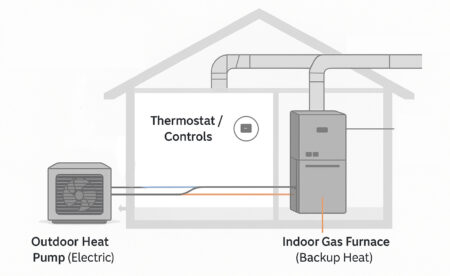
- A dual fuel heat pump is a heating and cooling system that uses both an electric heat pump and a gas furnace.
- They usually have a setup where the heat pump and furnace are installed in different places.
- The system is designed to work with existing ductwork, making it a convenient solution for homeowners.
- The system automatically changes between the heat pump and furnace depending on the weather outside. In colder months, it switches to heating to keep your home comfortable and save energy.
- Dual fuel heat pumps work as both a heater and an air conditioner, keeping your home comfortable all year by switching between heating and cooling as needed.
- They are designed to maximize energy efficiency and reduce energy bills.
Optimized Energy Efficiency
Dual fuel heat pumps use the energy source that works best for the current temperature:
- Mild weather: the electric heat pump works very efficiently, giving back three to four times the energy it uses.
- Colder weather: the gas furnace takes over in cold temperatures to keep the system working well and provide strong heating.
This smart switching gives you the benefits of both systems, helping you save money on energy and stay comfortable. The system works its best by automatically changing between the heat pump and gas furnace depending on the weather.
How Dual Fuel Heat Pumps Work
A dual-fuel heat pump system is a smart heating setup that uses both electric and gas power. The main part of the system is an electric heat pump, which brings heat from the outside air into your home when the weather is not too cold. This saves a lot of energy because the heat pump moves heat instead of making it from fuel, so it works well for most of the heating season.
But when it gets very cold outside and the heat pump does not work as well, the system automatically switches to a gas furnace. This smooth change keeps your home warm even in very cold weather, when you need strong heating the most. The gas furnace quickly makes enough heat to keep your home at the temperature you want.
This dual-fuel setup combines the energy-saving benefits of a heat pump with the reliable heating of a gas furnace. The thermostat monitors the outside temperature and switches between the two as needed, helping you save energy and money. By using both, dual fuel systems keep your home comfortable, lower your bills, and help the environment by using less energy as the weather changes.
Benefits of Dual Fuel Heating
- Dual fuel heating systems offer energy efficiency and reliable heating in varying climates.
- They provide cost savings by optimizing the use of electric heat pumps and gas furnaces.
- Dual fuel systems help you save a lot of energy by using efficient parts that lower how much energy you use and reduce your utility bills.
- These systems help save energy by automatically using the most efficient energy source, making your home more eco-friendly.
- Dual fuel heat pumps help save energy and reduce overall heating costs for homeowners by selecting the most economical energy source based on outdoor conditions.
- Dual fuel heat pumps help cut down on wasted energy and lower your impact on the environment.
- They are a hybrid heating solution that combines the benefits of heat pumps and gas furnaces.
Dual Fuel Heat System Components
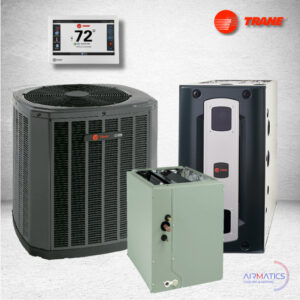
- A dual fuel heat system usually has an electric heat pump, a gas furnace, and a thermostat.
- The heat pump works by extracting heat from the outdoor air and transferring it indoors to provide warm air, especially during milder seasons.
- The gas furnace makes heat by burning natural gas and works as a backup heat source, giving extra warmth when the heat pump does not work as well in cold weather.
- The thermostat controls the system, switching between the heat pump and furnace based on outdoor temperatures.
- The system also uses a special fluid called refrigerant to help move heat.
Cost Savings with Dual Fuel
- Dual fuel heat pumps offer cost savings by reducing energy consumption and energy bills.
- They are made to save as much energy as possible by automatically choosing the best energy source, using the heat pump for most of the heating season.
- The system automatically switches to the gas furnace during extremely cold weather, ensuring reliable heating.
- Dual fuel heat pumps can help homeowners save money on their energy bills.
Smart thermostats can also help track and improve how you use energy, saving you more money and making things easier.
Lower Carbon Emissions
When operating in electric mode:
- The system uses grid energy, which is increasingly renewable in Texas.
- Fossil fuel usage is reduced to only the coldest days.
Dual fuel systems balance comfort and being eco-friendly, helping to lower pollution and your impact on the environment.
Technology and Innovation
- Dual fuel technology brings together the good parts of heat pumps and gas furnaces to save energy. These systems often use gas furnaces that turn most of the fuel into heat with very little waste.
- The system uses advanced technology to automatically switch between the heat pump and furnace.
- Dual fuel heat pumps are designed to be energy efficient, using the heat pump’s efficiency during most of the heating season.
- They are a new way for homeowners to lower their energy bills and help the environment. While they may cost more at first, you can make up for it with the money you save on energy over time.
Dual Fuel Heat Pumps vs. Traditional HVAC Systems
When you compare dual fuel heat pumps to regular heating and cooling systems, the benefits are clear, especially for saving energy, money, and helping the environment. Unlike older systems that only use a gas furnace or electric heating, dual fuel heat pumps use a heat pump to move heat for most of the season. This uses less energy and can lower your bills, especially in places with mild or moderate winters.
Dual fuel heat pumps are also flexible. They heat and cool your home, working as an air conditioner in the summer and an efficient heater in the winter. When it gets too cold for the heat pump to keep up, the system automatically turns on the gas furnace for strong heating during cold weather. This keeps your home warm and comfortable, no matter how cold it gets outside.
Another big benefit is that dual fuel systems can work with the ducts you already have, making them easy to add if you want to replace an old heating and cooling system. Also, dual fuel heat pumps help the environment by using electricity to move heat instead of burning fuel all year. When used with efficient gas or propane furnaces, these systems create less pollution than old oil or all-gas heating systems.
Overall, dual fuel heat pumps are an affordable, energy-saving, and eco-friendly choice instead of regular heating and cooling systems. They keep your home comfortable all year and help you save money on your bills.
Installation and Maintenance of Dual Fuel Heat Pumps in the DFW area

Installing a dual fuel heat pump isn’t a DIY weekend project — it’s a “get it sized right or regret it” kind of job. In Plano’s heat-heavy summers and occasional North Texas cold snaps, you want a system that can cool hard when it’s 105°F and still heat safely and efficiently when it dips.
Dual fuel systems need to be installed and maintained properly for the best performance:
- Proper sizing and thermostat setup are important.
- Maintenance should include changing filters, inspecting ducts, and getting annual tune-ups.
Professional installation matters (a lot)
Working with a certified HVAC technician helps ensure long-term comfort and good performance.
A licensed HVAC contractor will:
- Size the system correctly (so it doesn’t short-cycle, run nonstop, or leave hot/cold rooms).
- Set up the changeover temperature (when the system switches from heat pump to gas furnace).
- Verify your ductwork and airflow (bad ducts can make a great system feel mediocre).
- Confirm gas, electrical, refrigerant charging, drainage, and thermostat setup are all correct.
Real installation prices in Texas (DFW market / Plano)
Installed pricing depends on system size (tonnage), efficiency (SEER2/HSPF2), and whether ductwork/electrical updates are needed.
| Heat Pump Size (Cooling Capacity) | Typical Total Installed Cost (Plano, TX) |
|---|---|
| 2 Ton (approx. 24,000 BTU) | $6,000 – $10,000+ (small homes; range varies by brand/efficiency) |
| 3 Ton (approx. 36,000 BTU) | $7,500 – $12,000 (mid-size home; average around ~$9,500) |
| 4 Ton (approx. 48,000 BTU) | $8,000 – $13,000 (larger home; mid-tier systems ≈$10.5K) |
| 5 Ton (approx. 60,000 BTU) | $9,000 – $15,000 (large home; high end of range for premium systems) |
Regular maintenance keeps it efficient and reliable.
Dual fuel systems have more going on (heat pump + furnace), so maintenance is what keeps performance strong and breakdowns rare.
A good yearly maintenance routine includes:
- Changing filters regularly (usually every 1–3 months).
- Checking ducts for leaks, loose connections, and airflow issues.
- Cleaning coils (dirty coils raise energy use and lower comfort).
- Annual professional service (ideally twice a year: spring cooling check + fall heating check).
Typical Annual Cost: On average, a standard residential HVAC maintenance plan in Plano costs about $150 to $250 per year for one system.
Why is it worth it
Taking care of a dual fuel system can:
- Help it last longer
- Keep energy bills lower
- Reduce surprise repair calls
Choosing the Right Dual Fuel Heat System
Right Dual Fuel Heat System
- Picking the right dual fuel heat system depends on things like your local weather, how much energy you want to save, and your budget. People who live in very cold areas may want a system with a propane furnace as a backup heater.
- Homeowners should consider the size of their home, insulation, and existing ductwork.
- It’s essential to select a system that is energy efficient and reliable, with a high SEER2 and HSPF2 rating.
- A professional heating and cooling expert can help you pick the best dual fuel heat system for your home.
Financial Incentives
- Financial incentives are available for homeowners who install dual fuel systems, including tax credits and rebates.
- The Inflation Reduction Act (IRA) offers a $2,000 federal tax credit for eligible heat pumps.
- Local utility providers may also offer rebates and incentives for energy-efficient systems. Homeowners should check with their local utility provider to find out which rebates and incentives are available in their area.
- Homeowners can check with their local government and utility provider for available incentives.
Reliability and Performance
- Dual fuel heat pumps are designed to be reliable and efficient, providing consistent heating and cooling.
- The system automatically switches between the heat pump and furnace, ensuring reliable heating during extremely cold weather.
- Dual fuel heat pumps are built to last, with a lifespan of 15-20 years or more.
- Regular maintenance can help ensure the system operates efficiently and effectively.
Environmental Benefits
- Dual fuel heating systems offer several environmental benefits, including reduced energy consumption and carbon footprint.
- They use the heat pump’s efficiency during most of the heating season, minimizing the use of fossil fuels.
- Dual fuel heat pumps are designed to be energy efficient, reducing energy waste and minimizing environmental impact.
- They are a sustainable option for homeowners who want to reduce their carbon footprint.
Local Expertise: AirMatics in Plano & Beyond
If you live in Plano, Frisco, McKinney, Allen, or nearby areas:
- AirMatics offers free consultations for dual fuel upgrades.
- We help you select the right heat pump and furnace pairing.
- Our certified team configures your thermostat for seamless switching.
We make sure your home stays comfortable and efficient all year.
Ready to Upgrade?
Enjoy efficient, reliable, and eco-friendly heating with a dual fuel system.


CALL US TODAY FOR A DUAL FUEL HEAT PUMP INSTALL