Thinking about upgrading your thermostat? Whether you’re looking for better comfort control, lower energy bills, or compatibility with your smart home, upgrading your thermostat can help maintain your home’s temperature more consistently and efficiently – a great move, especially in Texas, where HVAC systems work hard nearly year-round.
Here’s what Texas homeowners and business owners need to know before making the switch.
Why Upgrade Your Thermostat?
Upgrading your thermostat unlocks a range of advanced feature options that can improve your home’s efficiency and comfort:
- Better Temperature Control: New models maintain a consistent comfort level throughout your home by reducing hot and cold spots. With the use of external sensors, these thermostats can monitor and adjust temperatures in different rooms, ensuring optimal comfort throughout the entire house.
- Lower Energy Bills: Smart thermostats learn your habits and adjust settings automatically, helping you save money on utilities. Instead of just saving a percentage, imagine cutting about $12 to $17 off a typical $120 summer bill. Saving money is a key benefit of upgrading to a more efficient thermostat.
- Remote Access: Your HVAC system can be controlled remotely from anywhere with a smartphone, offering added convenience and flexibility. Imagine returning from a long weekend on the Gulf Coast to find your home already perfectly cooled. This feature allows you to adjust and monitor home temperatures from afar, ensuring comfort is waiting for you the moment you step inside.
- Smart Home Integration: Connects with Alexa, Google Home, the Google Home app, Apple HomeKit, and more, allowing for voice commands and seamless integration with your smart home ecosystem.
- Diagnostic Alerts: Some models can alert you to HVAC issues before a failure happens.
Assessing Your Current Thermostat
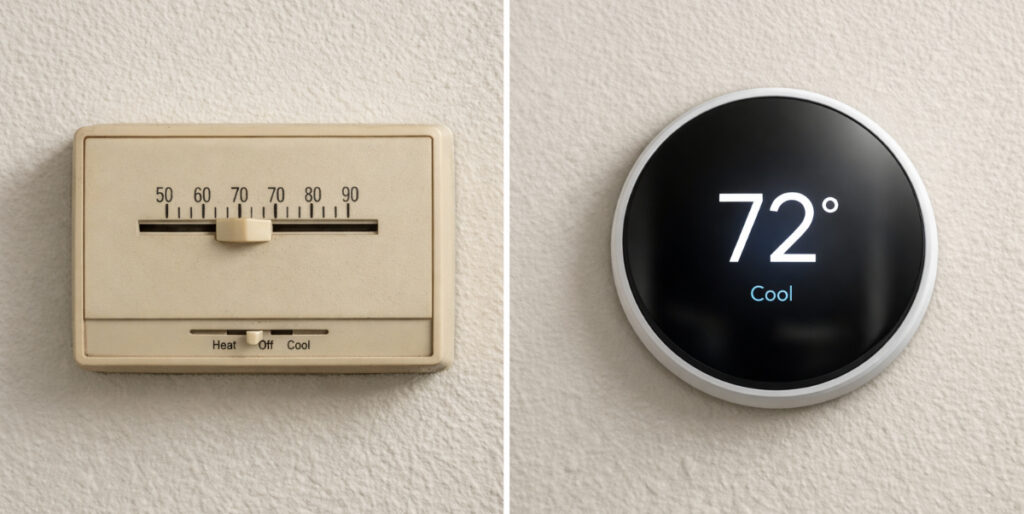
Before you upgrade to a new smart thermostat, take a moment to evaluate your current thermostat and your home’s heating and cooling system. Start by identifying whether you have a programmable thermostat, a basic manual model, or an old thermostat that may be outdated. If your existing thermostat struggles to maintain the desired temperature, has an inconsistent temperature setting, or simply looks worn out, it might be time for an upgrade.
Check your HVAC system’s compatibility with most smart thermostats – most Texas homes use low-voltage HVAC systems, which are generally compatible with smart thermostat technology. If you’re unsure about your current thermostat or the wiring in your system, consult the user manual or reach out to a professional for guidance.
Upgrading from an old thermostat to a smart thermostat can unlock energy savings, advanced features, and greater control over your home’s temperature. By carefully assessing your current thermostat and HVAC system, you’ll be better prepared to choose the right smart thermostat for your needs.
Choose Your New Thermostat: Manual, Programmable, or Smart
1. Manual Thermostats
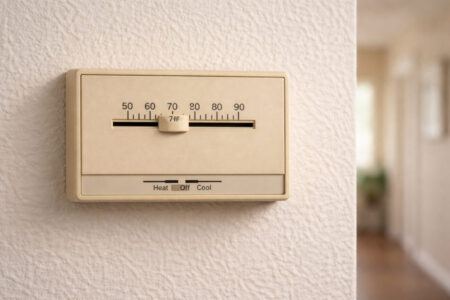
- Basic dial or slider controls, no scheduling or remote access
- Low cost, but outdated for most Texas homes
2. Programmable Thermostats
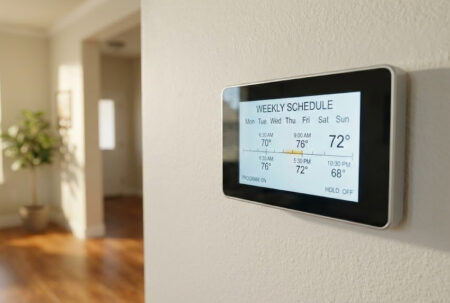
- Set daily/weekly schedules (schedule-based, allowing temperature changes according to a set schedule)
- Ideal if you have consistent routines. Can cut energy use by 10% or more if used correctly
3. Smart Thermostats
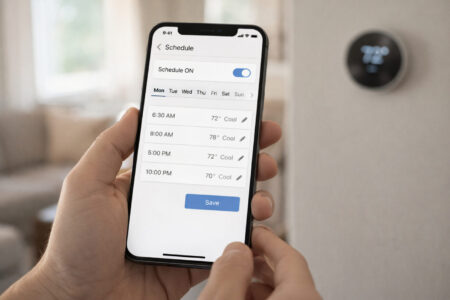
- Wi-Fi enabled and app-controlled.
- Learn your patterns and adjust automatically.
- Provide energy reports, maintenance reminders, and weather-based adjustments. Popular models: Nest, Ecobee, Honeywell T10, Bosch Connected Control.
- Support for voice commands and smart speaker integration, including compatibility with Google Nest, Nest devices, and other virtual assistants
- Some smart thermostats have learning features that adapt to your schedule over time, optimizing energy use and maintaining the ideal comfort level in your house.
- Room sensors and additional sensors can be placed in different rooms to monitor the temperature inside each area, helping to balance comfort level throughout the house.
- These thermostats can display and optimize your home temperature by monitoring temperatures in various rooms, ensuring consistent heat or air conditioning as needed.
- Additionally, smart thermostats can adjust heating and cooling based on indoor humidity levels, further enhancing comfort and efficiency.
- Smart thermostats can be controlled remotely via apps and feature advanced scheduling for convenience.

When installing a new thermostat or replacing an old one, many users encounter challenges with wired connections and wires, and may need a C-wire adapter to ensure compatibility. Always check if you have a single thermostat and consider using a wall plate to cover any wall damage when mounting the device. To make installation easier, take photos of your existing thermostat wiring before disconnecting it.
Smart thermostats are compatible with a variety of heating systems, including electric heating, heaters, and air conditioning, making them a versatile upgrade for most homes.
Energy Savings in Texas
ENERGY STAR-certified smart thermostats save homeowners about 8% on average on heating and cooling bills (roughly $50/year), and households can often save up to ~10% by using consistent temperature setbacks or schedules. In Texas, where cooling is necessary for most months of the year, you could save $50–$100+ annually, depending on your usage and system.
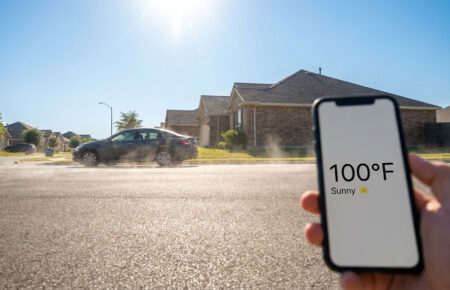
During a 100-day triple-digit heatwave, these savings become even more pronounced, potentially slicing significant amounts off your energy bill. Conversely, during milder spring months, while savings may be less dramatic, the efficiency of smart thermostats continues to contribute to cost reduction.
Energy Efficiency and Certification: What to Look For
When selecting a new smart thermostat, energy efficiency should be at the top of your checklist.
Look for models that carry the ENERGY STAR certification—this label means the thermostat meets strict energy efficiency standards and can help you save energy and reduce your utility bills. Smart thermostats with features like programmable scheduling, learning functions, and remote sensors can further optimize your home’s energy consumption.
Popular options like the Nest Thermostat and Honeywell Home thermostats offer advanced features such as presence sensing, geofencing, and smart scheduling, all designed to maximize energy savings. By choosing a smart thermostat with these energy-saving features, you’ll not only enjoy a more comfortable home but also contribute to a greener, more sustainable future. Remember, the best smart thermostat for your home is one that fits your lifestyle and helps you save energy across a wide range of heating and cooling needs.
Compatibility: Will a Smart Thermostat Work with Your System?
Before purchasing a thermostat, check compatibility:
- Low-Voltage HVAC Systems (24V): Most common in Texas homes. Smart thermostats are usually compatible. These systems include various heating systems, so confirm your setup before buying.
- High-Voltage Systems (110V/220V): Often found in baseboard heaters; smart thermostats typically don’t work without special adapters. These systems are often used for electric heating and may control a heater.
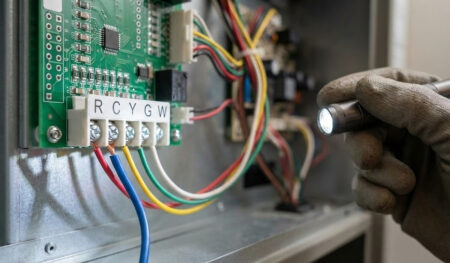
- C-Wire (Common Wire): Needed to power many Wi-Fi thermostats. Some models offer power extenders or battery options if your system lacks one. Thermostats typically require a C-wire for consistent power in modern installations. If your system does not have a C-wire, a C-wire adapter can be used to provide the necessary power.
Most smart thermostats require a wired connection, so check your wires before installing. Also, check if you have a single thermostat—homes with a single thermostat are more likely to be compatible with smart thermostats.
Texas Tip: Always check with a licensed HVAC technician if you’re unsure about compatibility or wiring.
Installation: DIY or Pro?
Installing a new smart thermostat can be a DIY-friendly project, but it’s always safer to hire a pro, especially if:
- You’re unsure about wiring.
- You have a multi-zone system.
- You want to ensure proper HVAC compatibility.
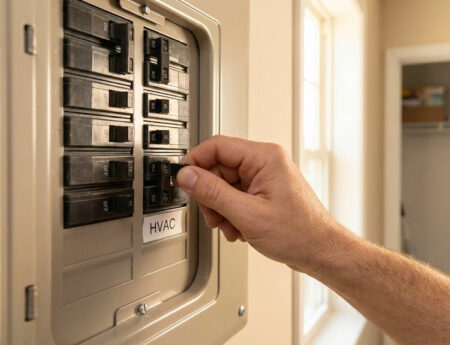
Installation typically involves turning off the power, marking the wires, and wiring in the new thermostat.
When installing a new thermostat, using a wall plate can help cover any wall damage or mismatched paint from the previous device, making the upgrade look seamless.
At AirMatics, our certified techs install and configure smart thermostats throughout Plano, Frisco, McKinney, Dallas, and nearby areas.
Cost of Upgrading a Thermostat in Texas (2026)
The cost of purchasing and installing a new thermostat in Texas varies depending on the type you choose:
| Type of termostat | Unit Price | Installed Price (Est.) |
| Manual | $25–$75 | $100–$150 |
| Programmable | $60–$150 | $150–$250 |
| Smart Thermostat | $120–$300+ | Type of thermostat |
Some Texas programs offer discounts or rebates on ENERGY STAR smart thermostats. Oncor’s Take A Load Off, Texas program often provides marketplace discounts/coupons, and amounts can change – check current offers before you buy.
Smart Features to Look For
- Geofencing (adjusts based on your location)
- Voice control
- Humidity sensors
- Multi-zone compatibility
- Air quality monitoring (available in advanced models)
Thermostat Security and Privacy: Keeping Your Home Safe
As you bring smart technology into your home, it’s important to consider the security and privacy of your new smart thermostat. Most smart thermostats offer built-in security features like encrypted data transmission and secure remote access, but you can take extra steps to protect your home. Always connect your thermostat to a secure Wi-Fi network and change any default passwords during installation.
Review the manufacturer’s privacy policy to understand how your data is used and stored. Some smart thermostats, such as the Ecobee Smart Thermostat, provide advanced options like two-factor authentication for added peace of mind. Regularly updating your thermostat’s software ensures you have the latest security features and patches. By following these best practices, you can enjoy the convenience and control of a smart thermostat while keeping your heating and cooling system – and your personal information – safe and secure.
Upgrade Your Comfort with AirMatics
If you’re considering a thermostat upgrade, we can help you choose the right model, ensure compatibility, and install it correctly.
Feel the difference by next weekend – book your install today.


CALL US TODAY FOR A THERMOSTAT UPGRADE
FAQ: Thermostat Upgrades in Texas
It depends on the wiring and control board. Many older 24V systems are compatible.
Yes, if you want your thermostat to be controlled remotely or receive updates and reports.
Most take 1–2 hours with a licensed technician.