Here’s What Texas Homeowners Need to Know
It’s a common question we get from Texas homeowners, especially during storm season or unexpected outages:
“Will my gas furnace still work if the power goes out?”
In most cases, a gas furnace won’t work during a power outage. Although gas is the primary fuel source for heating, today’s gas furnaces rely on electricity to operate key components. Let’s break it down.
Understanding Gas Furnace Components

A gas furnace is more than just a box that produces heat. It’s a carefully engineered system designed to keep your home comfortable and safe. At the core of every gas furnace is the heat exchanger, which takes the heat generated from burning natural gas and transfers it to the warm air that circulates through your home. This warm air is pushed through your duct system by the blower motor, ensuring every room gets the heat it needs.
Modern gas furnaces have moved away from old-fashioned pilot lights and now use electronic ignition systems. These systems are more energy efficient and reliable, but they do require electricity to operate. That means during power outages, your gas furnace won’t be able to ignite or circulate hot air, even if your gas supply is uninterrupted.
The control panel acts as the brain of your heating system, managing everything from temperature settings to safety features. If you experience an electrical outage, it’s important to know how to safely reset your circuit breaker and restart your furnace once power is restored. This helps prevent issues like blown fuses, error messages, or even gas leaks if the system isn’t working properly.
By understanding how your gas furnace works and taking a few simple precautions, you can enjoy a safe, energy-efficient home heating system that keeps you and your family warm—even when Texas weather throws you a curveball.
Why Gas Furnaces Still Need Electricity
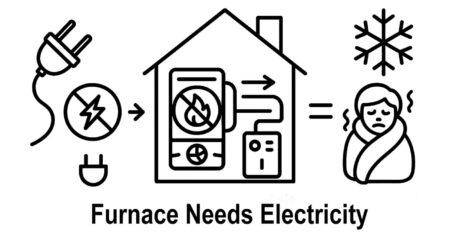
Here’s what runs on electricity inside a typical modern gas furnace:
- Blower motor – pushes warm air through your ducts
- Ignition system – most furnaces now use electric ignition instead of standing pilot lights
- Control board/thermostat – these are part of the furnace’s controls and manage when the unit turns on/off, ensure safe operation, and are important for troubleshooting after an outage
- Safety sensors – monitor temperature, flame, and airflow
Electricity powers essential components such as the blower motor, ignition system, and controls. Without electricity, the gas furnace’s function is compromised.
The furnace cannot produce heat or work during a power outage because these electric components are inactive.
Are There Any Gas Furnaces That Work Without Electricity?
Not in modern residential settings. Older furnaces with standing pilot lights and gravity-fed air circulation (rare today) could function without power. In these older models, furnace work was possible during outages because they did not rely on electric components. But:
- These are outdated and no longer meet efficiency or safety codes
- You’ll likely never find them in homes built or updated in the last 20–30 years
So for most North Texas homes, a power outage = no furnace heat.
What Can You Do During a Power Outage?
If staying warm is a concern during winter outages, consider these practical ways to stay warm during a power outage:
If you are unable to restore heat and temperatures are dangerously low, contact emergency services for immediate assistance.
1. Backup Generator
- A whole-home generator can power your furnace, fridge, lights, hot water, hot water heater, lighting, water heaters, and more
- A smaller portable generator can run a single furnace, but it must be wired correctly

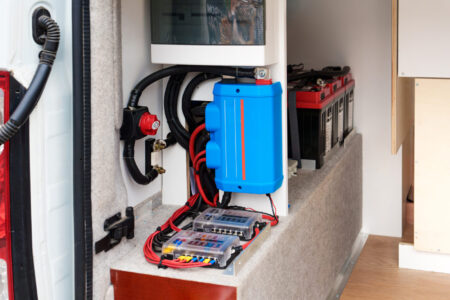
2. Battery Backup or Inverter Setup
- Some off-grid or solar-equipped homes use battery banks or inverters
- These setups must be planned in advance and installed professionally
3. Alternative Heating
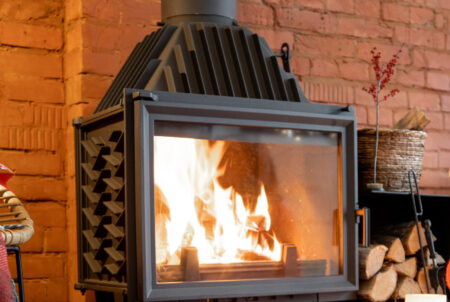
- Wood-burning fireplaces (if vented properly)
- Propane space heaters (only use indoors if rated safe and well-ventilated)
Texas-Specific Considerations

While Texas isn’t known for brutal winters, recent events like the 2021 winter storm showed that even here, cold snaps can be dangerous. Many homeowners in Plano, Dallas, and surrounding areas are now thinking more seriously about:
- Resilience planning
- Backup heat sources
- System upgrades such as upgrading your hvac system or installing advanced hvac systems for better resilience and energy efficiency
Regular hvac maintenance and professional services are also important to ensure your hvac system is prepared for outages and operates reliably during extreme weather.
Want Peace of Mind During Texas Power Outages?
At AirMatics, we can help you:
- Upgrade your furnace for better efficiency and safety
- Have a professional technician inspect or maintain your furnace for safety and reliability
- Evaluate your backup power options
- Explore hybrid heating systems or heat pumps
We serve homeowners in Plano, Frisco, McKinney, Southlake, Dallas, and surrounding areas.


FAQs: Gas Furnaces & Power Outages
No. Most modern furnaces don’t use standing pilots—they use electronic ignition, which requires power. For older models, it’s important to keep the pilot light lit for proper operation. If the pilot goes out, you may need to shut the gas valve, use the control knob to set it to ‘pilot’, and follow your furnace’s instructions to relight it safely.
Yes, but it must be correctly sized and wired—always follow safety guidelines.
No. They also lose function during an outage unless backed by a battery or generator.
Some do. Many gas log fireplaces with manual ignition can operate without power—but check your model.
First, check if your furnace has a reset button and press it if needed. Make sure the gas valve is open. If your furnace has a control knob, ensure it is set to the correct position for operation. If the furnace still doesn’t start, consult your manual or contact a professional.